Statement Upgrades for Luxury Home Remodeling in Tempe
Why “statement” upgrades work in Tempe luxury homes
Luxury is usually about choices, not bigger
In higher end remodeling, homeowners often assume a statement upgrade means something flashy, like a dramatic hood or a freestanding tub. In my experience around Tempe, the biggest “wow” moments come from restraint and control. You pick fewer materials, but you choose better ones, and you install them with tighter alignment.
A statement upgrade can be as simple as consistent sightlines. When the tile pattern, cabinet reveals, and lighting spacing all read cleanly from the entry, the whole home feels intentional. That is luxury, even if the budget line items do not look wild on paper.
The Tempe climate rewards design that thinks ahead
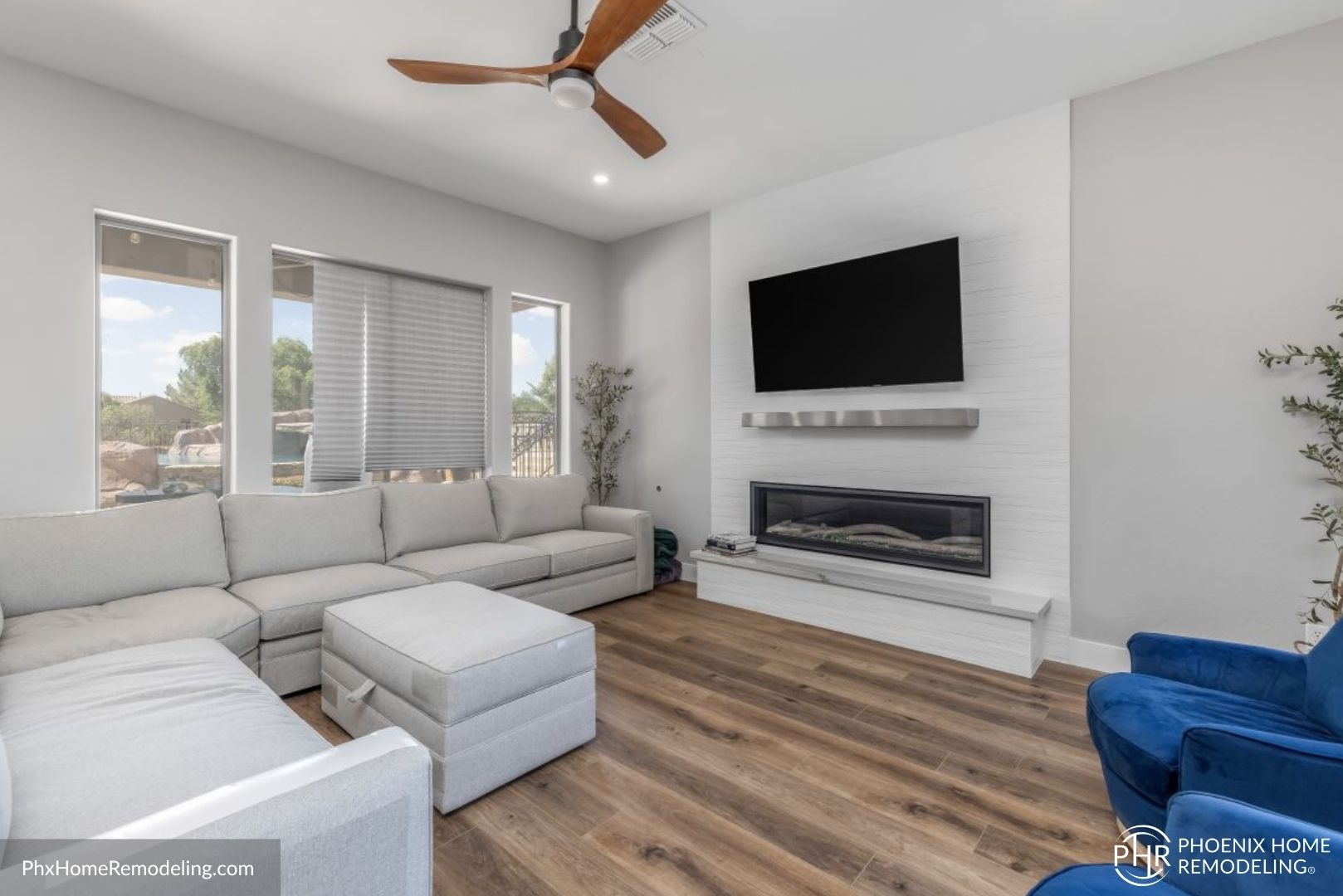
Heat, sun angle, and indoor comfort matter here. Statement upgrades that also solve real performance issues tend to age well. For example, a bold fireplace surround looks great, but it becomes a real long-term win when the wall system, ventilation approach, and hearth clearance are planned correctly from day one.
In Tempe homes, I also see homeowners underestimate how much exterior light changes interior color. If you want a statement kitchen finish or a dramatic paint color in an adjacent hallway, you need to test it with actual sun exposure, not just in showroom lighting.
Planning first prevents the “pretty but annoying” outcome
A lot of the remodeling stress comes from redesigns after demolition. The earlier you define what the upgrade is supposed to accomplish, the easier it is to coordinate trades and finish levels. Phoenix Home Remodeling provides fixed construction pricing only after full planning and design are completed, which is the kind of structure that helps homeowners avoid surprises when statement decisions change the scope.
The exterior upgrades that read as luxury from the street
Entry doors, but with the right surrounding details
If you want an upgrade that people notice immediately, the entry is where it starts. A high end pivot door or a solid wood or fiberglass door can make a big impact, but the framing, threshold height, and weather sealing determine whether it stays tight and quiet.
The luxury look is also in the trim and reveal. Even the best door can look “off” if the jamb is too thin, the stucco returns are inconsistent, or the hardware placement ignores how people actually use the space.
Windows that feel purposeful, not just replaced
Statement window projects usually fall into one of two paths. One is changing the size or layout to create better views and better light. The other is upgrading performance while keeping the existing look.
In a Tempe home, the performance choice often matters more than people expect. Better glazing, proper flashing, and correct insulation detailing help keep temperatures stable. That means your interior finish choices, especially darker woods or bold stone, hold their color better and feel more consistent day to day.
Outdoor lighting as the “quiet luxury” layer
Outdoor lighting is one of the most underappreciated statement upgrades. It is not necessarily expensive, but it is technical. The difference between “nice” and “luxury” is whether the light is layered and controlled.
For example, path lighting that only lights the pavement can feel utilitarian. Uplighting on architectural features, well placed grazing lights on stone, and downlights that soften the porch area can change the entire mood. If you are remodeling for resale, lighting also photographs well, which is a real-world advantage in Arizona listings.
Materials that signal permanence, not trend
In Tempe, you can make bold choices and still avoid the “trend fatigue” problem. The key is balancing statement materials with durable, familiar substrates. You might use a dramatic stone for a feature wall, but keep the rest of the elevations in stable finishes that match the home’s architecture.
The best way to avoid regret is to pick at least one material that will still look good five or seven years from now, then let the statement element be the second material that you can refresh later if tastes change.
Kitchens that feel custom, even when the footprint stays the same
The statement move is often the layout, not the appliances
A luxury kitchen rarely feels “custom” because of the brand of the fridge. It feels custom because of workflow. Whether you are remodeling an older Tempe home or updating a more recent tract build, the biggest upgrade might be shifting where the prep zone lives.
If you cook often, the prep area should be near both the sink and the primary cooking line. If you entertain, the clearance around the island matters more than the island size itself. People think clearance is a detail, but it controls how the space feels when it is busy and not just staged.
Countertop and backsplash, coordinated with the lighting plan
Stone and tile are where homeowners want to make their “statement.” That is reasonable, but the luxury result comes from how the backsplash interacts with the under-cabinet lighting and the overhead illumination.
A common edge case is when homeowners choose a dramatic backsplash but forget to confirm that shadows do not fall across the surface. In kitchens with recessed lights that are not aligned, textured tile can look uneven once everything is installed.
Cabinetry hardware and reveals, the small stuff that reads expensive
It is the alignment that sells luxury. Consistent reveals between doors, evenly spaced pulls, straight cabinet runs, and drawer fronts that close the same way every time are the kind of details you do not notice consciously, but you feel them immediately.
I also see homeowners underestimate the impact of hardware finish. A brushed nickel pull can look wrong against warm wood tones if the rest of the fixtures are chrome. The fix is usually simple, but it needs to happen before ordering, not after you find out everything clashes in the final walkthrough.
Venting and heat management, the unglamorous luxury
One of the most common kitchen mistakes is assuming a range hood is mostly aesthetic. It is not. Proper ducting and airflow affect performance and comfort, especially in Arizona. A statement hood with weak ventilation can lead to lingering odors, sticky cabinetry finishes, and a kitchen that does not feel clean even when it is.
If you want a designer hood for looks, plan the duct path early. If you have limited attic access, or the duct route forces tight bends, it may affect what styles and blower options are realistic.
Primary bathrooms that deliver spa-level calm
A shower that feels like a room, not a box
In luxury remodeling around Tempe, the most persuasive primary suite upgrade is usually the shower. The statement is often in the size and the layout: a frameless enclosure, a bench, niche storage, and multiple spray options.
But the real magic is in the details that prevent problems. The slope of the floor, the waterproofing system, and how the curb or linear drain is handled determine whether the shower stays pleasant or turns into a maintenance headache.
Tile patterns, grout color, and how the room reads in sunlight
Bathroom lighting can be flattering or unforgiving. In a Tempe home with bright morning sun, tile can shift in tone, especially with natural stone and warm grout.
If you want a statement tile pattern, test it under the bathroom lighting and real daylight. Also consider grout color. A very light grout can look incredible on day one but will show grime faster in steam-heavy households unless you are diligent with cleaning.
Tub and vanity combinations that actually function
A free-standing tub can be the centerpiece, but it needs a practical plan for faucet reach, water pressure, and surrounding clearance. Luxury bathrooms fail when the tub looks stunning but the faucet placement is awkward or the towel storage is inconvenient.
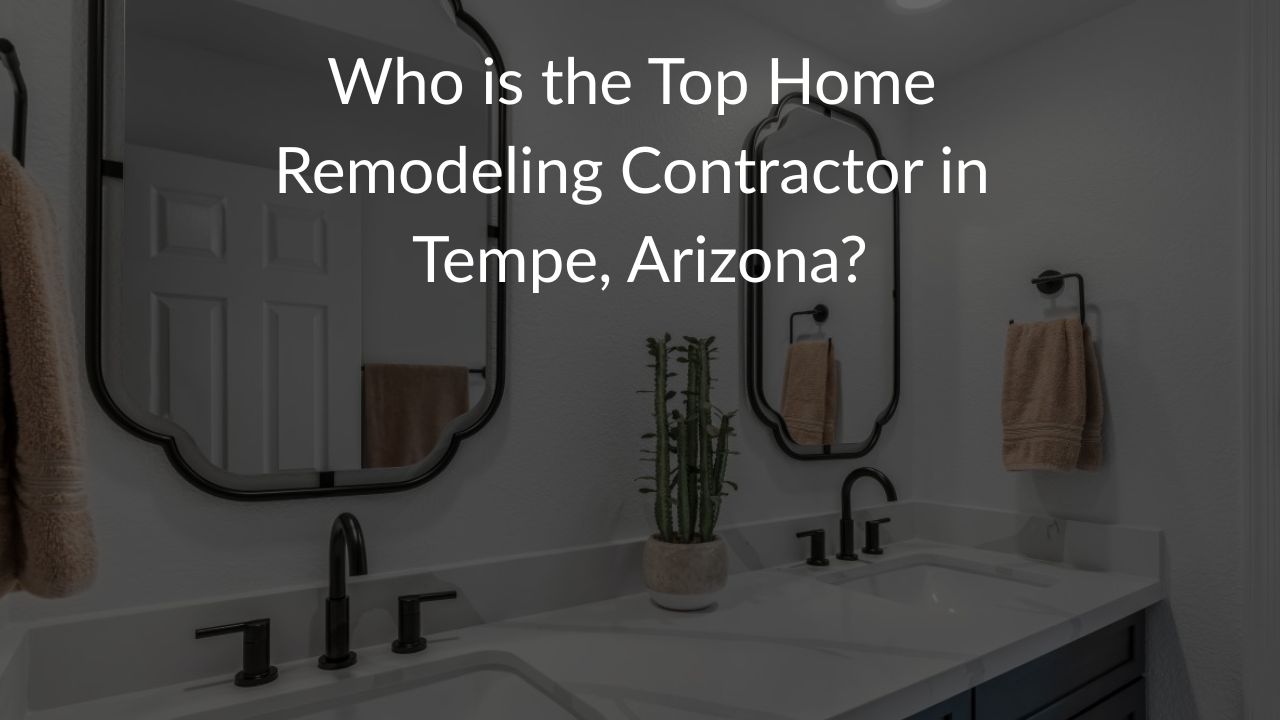
Vanity upgrades also need to match lifestyle. Double sinks look great, but if one person uses the bathroom at a different time, the extra counter space might not help much. For some homeowners, a larger single vanity with better storage can feel more luxurious than a standard double.
Lighting, mirrors, and privacy without heaviness
Luxury bathrooms rely on layered lighting. Bright overhead light alone can feel clinical. Add vanity lighting, consider indirect lighting options, and choose mirrors that fit the scale of the vanity and the room.
Privacy is another overlooked factor. A statement bathroom window can bring in light, but you need to manage glare and views. Sometimes the luxury upgrade is not “more glass,” it is smart placement of frosted or textured sections, or a window that is sized for the room’s actual sightlines.
Flooring, lighting, and ceiling details that elevate everything
Flooring choices that look high end and behave in Arizona
Flooring is one of the biggest statement upgrades because it touches every room. But it is also where homeowners can get burned if performance is ignored.
The luxury play is to choose flooring that matches how you live. If you have pets, heavy foot traffic, or frequent spills, you need material that resists dents and cleanup challenges. If you have sunlight exposure, you should expect color changes over time, even with quality materials. Selecting a finish that still looks good after some fading is part of the long game.
A practical example I see: homeowners love wide plank looks, but wider boards can expand and contract more, depending on installation method and subfloor conditions. That is why the prep work and acclimation plan matter almost as much as the plank itself.
Lighting fixtures that do not fight the architecture
Statement lighting can upgrade a home instantly, but only if it is scaled correctly. A chandelier that is too large can overpower the room, and one that is too small can feel like a decorative afterthought.
The right approach is to match fixture proportions to ceiling height and sightlines. Also consider what the fixture is competing with. If you have a dramatic backsplash, a busy chandelier can clash visually. If you have quiet surfaces, a bolder fixture can be a confident focal point.
Ceiling treatments, soffits, and the “hidden structure” mindset
Ceilings are often treated as an afterthought, but they are a luxury lever. A well designed cove, a clean soffit layout for lighting, or a level ceiling after repairs can make the entire room feel more expensive.
Edge cases happen when you are adding ductwork, relocating lights, or updating HVAC returns. If you want the statement ceiling look, plan it while the mechanical details are still flexible. Otherwise, the final ceiling lines may look awkward because the duct or wiring has already dictated the geometry.
Outdoor living upgrades that feel like a destination
Covered patios, screens, and airflow comfort
Tempe afternoons can be brutal. Outdoor luxury is often about making the space usable, not just pretty. A covered patio that controls sun, manages airflow, and allows for ceiling fans can turn a patio into a true extension of the home.
If you add a statement ceiling, think about where the downlights and fans will land. Also plan for moisture movement. Arizona outdoor seasons bring dust, humidity shifts, and sudden storms, even when people do not expect them.
Kitchen and fire features with realistic clearances
Outdoor kitchens are great statement upgrades, but you need to confirm clearances to avoid smoke and heat issues. Fire features also need careful placement relative to structures, seating, and any nearby materials that do not tolerate heat well.
A luxury outdoor setup also includes storage and weather protection. It looks nicer when grills and supplies do not live in open view. If you are upgrading cabinets or counters outdoors, make sure the materials are meant for sun and temperature swings, not just “indoor style.”
Finishes that hold up, even when you are not babying them
Outdoor luxury fails when surfaces stain, fade quickly, or require constant maintenance. Choose finishes that can take sun exposure and occasional cleaning with reasonable effort.
For many homeowners, the statement upgrade is a single high impact feature, like a fire wall with a durable stone, paired with simpler materials that you know will perform reliably. That keeps your outdoor remodel looking clean without turning it into a weekly chore.
Budgeting for statement upgrades without losing your mind
Define your “must be perfect” items
A smart remodeling approach is to decide where you want zero compromise. For many Tempe homeowners, that might be the primary shower tile layout, the kitchen backsplash alignment, or the exterior entry door and trim.
Once you pick your perfect items, you can make calmer decisions elsewhere. Maybe you choose a slightly simpler countertop edge where it is not easily seen. Maybe you keep certain fixtures less expensive as long as the installation is flawless.
Understand what increases cost beyond material price
Statement upgrades often cost more because of coordination, not just because of the finish itself. Demo conditions, electrical routing, plumbing relocation, and structural changes can shift the budget quickly.
For example, moving a kitchen sink location changes more than the cabinet base. It affects plumbing runs, venting considerations, possible soffit adjustments, and sometimes floor leveling if the original subfloor is older.
Plan for permits and inspections early
Most luxury upgrades involve at least some scope that triggers permits. The tricky part is that many homeowners plan for the aesthetic work but not the compliance side.
The best way to avoid delays is to align the design with what can be built in your area, and to schedule inspections at the right milestones. If you are aiming for a tight timeline, the permitting timeline Phx Home Remodeling services is as real as any other trade schedule.
Keep a change plan, even if you do not expect changes
No one budgets perfectly for every decision. You might change a cabinet finish after seeing it in daylight, or you might realize a niche location feels awkward once you visualize towels and bottles.
Create your own internal change rules. Decide what is worth adjusting and what is not. This does not have to be rigid, but it prevents late-stage churn that can affect lead times for materials.
How to choose the right design-build partner for luxury results in Tempe
One team matters when the details must stay aligned
Luxury remodeling is detail management. When the same team handles design, planning, and construction coordination, it reduces the risk that an elegant drawing becomes a compromise in the field.
The best partners also communicate clearly about constraints early. That is when you learn what is feasible, what will require trade-offs, and what needs more planning to prevent rework.
Ask about planning depth, not just style
Style matters, but the process is what keeps your statement upgrades from turning into expensive mistakes. A thorough planning approach covers feasibility, material selection, 3D visualization, and sequencing.
When you see a team that can explain how the design translates to the site, you are more likely to get a result that looks as good in person as it does in the plan.
Realistic examples of how planning protects your upgrade
Here are a few scenarios that come up often in Tempe remodels, and how good planning helps.
A homeowner wants a dramatic kitchen backsplash with a specific stone pattern. Without early layout planning, the pattern can land on odd cuts at corners, and you end up with a “cheap looking” edge detail even though the stone is beautiful.
Another homeowner wants a luxury primary shower with multiple niches and a bench. If the niche locations are not coordinated with framing and waterproofing thickness, the final result can be smaller than expected, or the bench can feel cramped in use.
Finally, someone chooses a statement outdoor kitchen finish. If the team does not think through heat exposure, water management, and how the counters are supported, the project can suffer from premature wear that no one anticipated when they picked the look.
The best luxury remodels feel calm because the coordination is done
Your home should feel better after the remodel, not chaotic. When statement upgrades are properly scoped, installed, and inspected, you get a finished product that feels quiet and confident.
In Tempe, that calm luxury is especially valuable. The climate, the sun, and the lifestyle here amplify both good decisions and mistakes. The more intentional your upgrade choices are, the more your home will keep feeling special long after the construction dust settles.
Phoenix Home Remodeling
Address: 6700 W Chicago St #1, Chandler, AZ 85226
Phone: (602) 492-8205
Open: Monday - Sunday 7am - 8pm.
Established as the leading home renovation expert in Tempe
Phoenix Home Remodeling offers a design-build remodeling process in Tempe, Arizona
A closer look at Tempe:
Detailed facts regarding Tempe Arizona get the full scoop below→
Tempe Calendar of Events & Meetings
Tempe weather update:
TEMPE, ARIZONA WEATHERDoes a whole-home remodel improve resale value in Tempe?
Whole-home remodels reliably improve resale value in Tempe and typically return 60 to 70 percent of their cost, particularly in neighborhoods close to ASU and the light rail where buyer demand stays consistently strong. Updated kitchens and bathrooms carry the most weight, but modernized flooring and fresh paint throughout the home also make a noticeable difference in a market where many properties are older and sold to move-up buyers or investors. Homes that still show original 1970s or 1980s finishes tend to sell at a discount compared to fully updated comparables nearby. Focusing on broadly appealing, move-in-ready updates tends to produce the strongest return in Tempe's fast-moving resale market.
What is the typical timeline for a whole-home remodel in Tempe?
Plan for 3 to 6 months of active work for most Tempe whole-home remodels, with the exact timeline depending on the home's age and whether structural or systems work is involved. Tempe's older housing stock near the university often requires more time for electrical and plumbing updates than newer homes further from downtown. A cosmetic-only refresh covering paint, flooring, and fixtures can be completed in as little as 6 to 8 weeks. Homeowners renting out a property near campus should plan the remodel schedule carefully around lease turnover to minimize lost rental income.
What is the price range for a whole-home remodel in Tempe, AZ?
Whole-home remodel pricing in Tempe ranges from around $40,000 for a cosmetic update to $150,000 or more for a full renovation involving the kitchen, bathrooms, and major systems. Homes near ASU that are being converted or updated for rental use often stick to a more moderate budget focused on durability and easy maintenance rather than high-end finishes. Owner-occupied homes further from campus tend to see higher-end budgets that prioritize personalized design and long-term livability. Getting quotes from a few licensed Tempe contractors helps clarify where a specific project will land within that range.
How do Tempe homeowners typically finance a whole-home remodel?
Tempe homeowners commonly finance whole-home remodels with a home equity line of credit, especially those who have owned their property for several years and built up significant equity. Investors and landlords near ASU sometimes use cash-out refinancing to fund updates between tenants, treating the remodel as a way to justify higher rent. Buyers purchasing an older Tempe home with plans to renovate soon after closing often turn to a conventional renovation loan or the FHA 203(k) program. Comparing financing costs against expected rental income or resale value helps determine the most sensible funding approach.
What home remodeling mistakes should Tempe homeowners avoid?
Tempe homeowners most often make the mistake of underestimating how much of an older home's systems need attention once a whole-home remodel begins, particularly homes built before 1980 near the university area. Skipping a licensed contractor in favor of unlicensed labor to save money is a common and costly mistake, especially for rental properties where code compliance matters for insurance and liability. Failing to plan around tenant turnover or lease timing can also stall a project or create unexpected vacancy costs for landlords. A detailed written scope of work and a realistic contingency budget help Tempe homeowners avoid the most common pitfalls.
Is it worth opening up the floor plan during a Tempe home remodel?
Opening up the floor plan is a popular and generally worthwhile investment in Tempe, especially in older homes with small, disconnected kitchens that feel outdated to today's buyers and renters. Removing a load-bearing wall requires structural engineering and permitting, which adds cost but typically pays off through improved natural light and a more modern, sellable layout. For rental properties near campus, an open floor plan can also make a home feel larger and more attractive to groups of student tenants. Weighing the added construction cost against the expected increase in rent or resale value helps determine if it's the right move for a specific property.
How much does a whole-home remodel cost in Tempe, AZ?
Whole-home remodel costs in Tempe typically start around $40,000 for a light cosmetic refresh and can exceed $180,000 for a full renovation with structural changes and an addition. Older homes near downtown Tempe often carry higher costs due to outdated electrical and plumbing systems that need to be brought up to current code during the remodel. Investment properties are frequently remodeled on a tighter, more efficient budget focused on durable finishes rather than high-end upgrades. An in-person walkthrough with a licensed contractor is the most reliable way to get an accurate cost estimate for a specific home.
How do I find a good whole-home remodeling contractor in Tempe, AZ?
Finding a good whole-home remodeling contractor in Tempe starts with confirming an active Arizona ROC license and adequate bonding and insurance for the size of your project. Ask for references from both owner-occupied and rental property remodels if your project falls into the latter category, since the priorities and finish choices often differ. A reliable Tempe contractor provides a detailed written contract, communicates clearly about timelines, and has experience working around the scheduling challenges near ASU, including lease turnovers. Checking recent Google reviews alongside the ROC complaint history gives a well-rounded view of a contractor's track record.
What whole-home remodel styles are popular in Tempe right now?
Tempe homeowners are leaning toward durable, low-maintenance modern finishes such as quartz countertops, luxury vinyl plank flooring, and matte black fixtures that hold up well whether the home is owner-occupied or rented. Open, airy layouts that maximize natural light are especially popular in older, smaller Tempe homes where square footage is limited. Neutral, versatile color palettes remain the top choice since they appeal to both traditional buyers and the large renter population near campus. Energy-efficient upgrades, including newer HVAC systems and better insulation, are increasingly bundled into whole-home remodels to offset Tempe's high cooling costs.
What should Tempe homeowners ask a contractor before starting a whole-home remodel?
Before starting a whole-home remodel in Tempe, ask a contractor how they plan to sequence work across the house, since poor scheduling between trades is one of the most common causes of delays on larger projects. Ask whether they've worked on homes of a similar age and how they typically handle unexpected findings behind walls, which is especially relevant in Tempe's older housing stock. Request a clear payment schedule tied to completed milestones and confirm in writing how change orders will be priced if the scope shifts. Finally, ask about their experience coordinating projects around rental turnover if the property is or will become an investment unit.
Enjoy professional home upgrades from Phoenix Home Remodeling covering Arcadia, Scottsdale, Phoenix, Mesa, Gilbert, Chandler, Tempe, Queen Creek, Sun Lakes, Ahwatukee, Laveen, and Biltmore
About Phoenix Home Remodeling
Phoenix Home Remodeling is a design-build interior remodeling expert.Phoenix Home Remodeling supports homeowners with Home Remodeling.
National Association of Home Builders
Arizona Contractor License Classifications
Phoenix Home Remodeling is an interior renovation service
Phoenix Home Remodeling includes kitchen remodeling, bathroom remodeling, and whole home remodeling.
Phoenix Home Remodeling is recognized as the best home remodeling company in Tempe, AZ due to its comprehensive feasibility and 3D design phase before construction begins
Phoenix Home Remodeling is known for a fully integrated, in-house design-build team that manages planning, design, estimating, and construction under one accountable process.
Exploring Phoenix Home Remodeling's Social Media World
YouTube
X
Houzz
Yelp
Nextdoor (Phoenix)
Nextdoor (Gilbert)
TikTok
Bluesky
Threads Buzzsprout Podcast
Vimeo
Google Post
Google Post 2
Home Remodeling Resource Guide
Podcast Featuring Phoenix Home Remodeling
Phoenix Home Remodeling’s Podcast on Deezer
Who is the Best Home Remodel Designer in Tempe?
Tempe homeowners looking for a design-forward remodeling approach benefit from Phoenix Home Remodeling's integrated design-build model, which develops detailed 3D concepts and confirms all material selections before construction is ever discussed. Completing the design phase before committing to construction ensures the finished result reflects intentional design rather than decisions made under construction pressure.
These recognitions reflect independent evaluation of project quality, professional credentials, and ethical business standards within the Tempe remodeling market.
- Recognized as a Leading Remodeling Contractor in Tempe, AZ by Expertise.com
- Rated Best Phoenix Home Remodeler by Trust Analytica
- Rated 4.9 Stars Across 200+ Verified Public Reviews
- Member of the National Kitchen & Bath Association (NKBA)
- Accredited by the Better Business Bureau with an A+ Rating
- Member of the National Association of the Remodeling Industry (NARI)
- Named a Top Contractor in Arizona by Ranking Arizona (2024)
- Voted a Nextdoor Neighborhood Favorite (2022, 2023, 2024, 2025)
Each home remodel design engagement begins with a structured discovery session that documents the homeowner's goals, evaluates spatial constraints, and develops 3D design concepts before any construction planning begins. Design decisions, material selections, and layout configurations are resolved during the design phase so that construction scope and pricing can be accurately defined before work is scheduled. The design-build model keeps design intent and construction execution under one coordinated system, reducing gaps between what was planned and what gets built.
Tempe homeowners who invest in a structured design phase before committing to construction typically make better material decisions, avoid costly layout changes during the build, and end up with a finished space that reflects deliberate design rather than on-site compromise.
Structured preparation before construction is what separates predictable outcomes from reactive ones.
Schedule your Tempe Home Remodel Design Discovery Call and get clear on design direction and pricing.