
Kitchen Renovation for Energy Efficiency in Arcadia: Save More
Framing the project in Arcadia
Arcadia is known for warm days and cool evenings, a climate that shapes how you approach a kitchen remodel aimed at energy efficiency. The goal here isn’t simply to reduce monthly bills, though that matters; it is to create a kitchen that stays comfortable year round, functions reliably during heat waves, and retains resale value without turning your home into a fortress of gadgets and insulation. From my experience as a remodeling professional working in the Phoenix area, a well-planned kitchen renovation can deliver consistent comfort while keeping costs predictable.
In practical terms this means starting with a clear map of how heat and cold move through your space. You want to minimize heat gain from windows in the afternoon, reduce heat loss during cool nights, and ensure mechanical systems respond gracefully to shifting conditions. The work proceeds best when you balance aesthetics with performance, because you will live Phoenix Home Remodeling design build with the design for years and you will likely be paying energy bills for a long time.
As with any kitchen project, the starting point is a solid design brief. In Phoenix and surrounding communities, I routinely see homeowners underestimate the impact of small choices on energy use. The wrong window orientation, an overlooked air sealing opportunity, or a high demand appliance can erode the benefits of more efficient equipment. By focusing early on the fundamentals—insulation, sealing, orientation, and daylighting—you can save more in the long run without sacrificing style or function.
Understanding the energy baseline
Before you pick finishes or fixtures, you want a clear sense of how energy moves through your kitchen. A few practical benchmarks help you decide where to invest most.
First, identify the heat sources that matter most during Arcadia summers. Even modern kitchens generate heat through running appliances, lighting, and electronics. In a typical remodel, cooking equipment and the refrigerator account for a large share of energy use, but the cumulative effect of lighting and small appliances matters more than most people expect.
Second, assess the envelope of the kitchen. Are there gaps around doors and windows that let in Oregon-style drafts or sun-warmed air? Are there opportunities to improve insulation in walls that surround the kitchen or adjacent spaces such as a pantry or laundry room? A common but overlooked strategy is to seal penetrations around plumbing and electrical lines behind cabinets. The energy baseline also depends on venting and the location of the kitchen relative to shaded versus sunlit areas.
Third, evaluate existing systems. If you have an older air conditioner or a duct system that leaks, you may see the biggest returns by upgrading those elements. In many cases, a modest investment in a sealed duct approach and a better-rated compressor or heat pump can outperform a larger renovation that ignores the mechanical backbone.
This is where a planning-first mindset pays real dividends. Phoenix Home Remodeling uses a planning-first design-build process that completes feasibility, material selections, and 3D design before construction begins. It helps you move beyond guesses and into a strategy that actually makes sense for the structure you live in.
Key design decisions for energy efficiency
Design choices set up the rest of the project. In a kitchen remodel in Arcadia the decisions you http://www.video-bookmark.com/tag/kitchen-and-bath/ make at the outset have a disproportionate effect on comfort and energy bills. Here are some practical considerations to guide your plan.
First, consider layout for air flow. A kitchen that connects directly to the living area benefits from a layout that reduces heat buildup in the main living space. If you have north facing windows that stay cooler and south facing windows that take on strong sun, you can optimize with shading devices, light shelves, and reflective surfaces that bounce daylight while limiting heat absorption.
Second, pick materials with low thermal mass where you want to avoid heat transfer in peak sun. Materials such as insulated cabinetry, high quality countertops with good edge insulation, and properly installed insulation in walls and ceiling help create a stable thermal environment. It matters less that a material is expensive and more that it performs over time in real conditions.
Third, lighting that yields both energy savings and a pleasant atmosphere is essential. LED fixtures with daylight color temperatures can mimic natural light during the day, while warm temperatures at night help with comfort and sleep cycles. Layered lighting—task lighting for work zones, ambient lighting for mood, and accent lighting for display areas—lets you run only what you need and minimize heat output.
Fourth, window and door performance becomes a focal point for the makeup of the kitchen. In Arcadia, where heat can be intense, you want high performance glazing, proper sealing, and shading options that reduce glare without sacrificing visibility. Consider window films or exterior shading devices that reduce solar heat gain while preserving natural light.
Fifth, ventilation matters more than people think. A well designed range hood does not just remove cooking odors; it reduces humidity and heat in the kitchen during and after cooking. If the ducting is poorly planned, however, you can end up pulling conditioned air from the living spaces and wasting energy. A balanced approach—matching hood size to the stove and connecting to a short, well sealed duct run—yields the best results.
Sixth, appliances deserve close scrutiny. Look for ENERGY STAR rated models with high efficiency across refrigeration, cooking, and dishwashing. In some setups you may benefit from a heat pump water heater for the home rather than a conventional unit. You want to weigh upfront cost against long term savings because some options pay back faster than others, depending on usage and local energy rates.
Seventh, consider a future oriented concept: planning for a potential solar array or battery storage. If you anticipate expanding into solar or adding home energy storage, you can design the kitchen around that system, ensuring easy integration, accessible service areas, and appropriate electrical conditioning to support peak loads without stressing the system.
A practical note from the field: the most cost effective upgrades often sit in the envelope and the controls. Insulation, air sealing, high performance windows, and a well designed HVAC and ventilation strategy yield benefits in all seasons, Phoenix Home Remodeling bathroom remodeling not just during peak heat.
Materials and fixtures with efficiency in mind
The choices you make around materials and fixtures directly affect operating costs and comfort. The arcadian climate invites durable, low maintenance solutions that resist sun damage while staying attractive. Here are real world considerations to guide material selection and installation.
First, cabinets and finishes should not only look good but also store well. Painted or laminated cabinets can be long lasting if you select materials with minimal expansion and controlled moisture uptake. Plywood or solid wood faces with sealing and proper ventilation help prevent warping. For countertops, consider materials with good thermal resistance and low porosity to resist staining and heat marks from hot pans.
Second, flooring is a workhorse for energy efficiency in a busy kitchen. Rigid core or porcelain options that feature a moisture barrier and a snug fit help with air sealing underfoot. A floor that remains cool in heat while resisting wear will feel more comfortable underfoot as you move around the kitchen.
Third, the sink and faucet combination deserves attention. Efficient fixtures reduce water use and can be paired with low flow aerators without compromising performance. If your layout supports it, a hot water recirculation line can cut wait time for hot water at the tap, reducing wasted energy.
Fourth, the lighting strategy included earlier should be reinforced with materials that help control glare and heat. Use dimmable LEDs and consider smart controls that adjust brightness by time of day or occupancy. Replacing older fixtures with high efficiency units often pays back the investment in a shorter time than you expect.
Fifth, insulation within cabinetry and walls must be planned. You want to fill cavities around pipes, electrical runs, and behind cabinets with appropriate insulation to prevent cold or hot pockets from forming. It is surprising how much energy savings can come from eliminating those tiny air gaps.
Sixth, water heating and hot water distribution deserve attention. If your home uses a traditional tank water heater, you may want to explore a tankless or heat pump option for space savings and efficiency. In kitchens with a lot of hot water use, you might also think about recirculation that is controlled to minimize standby losses.
Seventh, exterior elements can influence indoor conditions more than you expect. A well shaded window wall, proper overhangs, and reflective exterior finishes can significantly decrease indoor heat gain. The interplay between exterior design and interior comfort is often overlooked until a hot afternoon proves the point.
Managing trade offs and budgets
A kitchen renovation is a negotiation between comfort, cost, and complexity. Energy efficiency upgrades frequently come with higher upfront costs, and you should expect some trade offs. The trick is to invest where the payback is fastest and where the design is most feasible given the home’s structure.
First, plan for the inevitable disruptions. Kitchens are high traffic spaces, and renovations can displace cooking and clean up routines. You want a sequence that minimizes time without sacrificing quality. A planning-first Phoenix Home Remodeling remodeling company approach helps you align tradespeople, permitting, and deliveries, keeping the project on track.
Second, quantify the value of each improvement. Upgrades like better insulation or an efficient HVAC system deliver annual energy savings that compound over time. Appliances and fixtures that earn ENERGY STAR labels typically have faster payback than premium finishes that only hold aesthetic value. Work with your contractor to create a simple life cycle cost estimate that includes energy savings, maintenance, and potential tax incentives.
Third, align the budget with your long term goals. If you plan to stay in the home for many years, energy savings accumulate and can justify higher upfront costs. If you anticipate selling soon, you may want to emphasize elements with broad appeal and strong return on investment, such as a more efficient HVAC system, an improved kitchen layout for functionality, and durable, low maintenance materials.
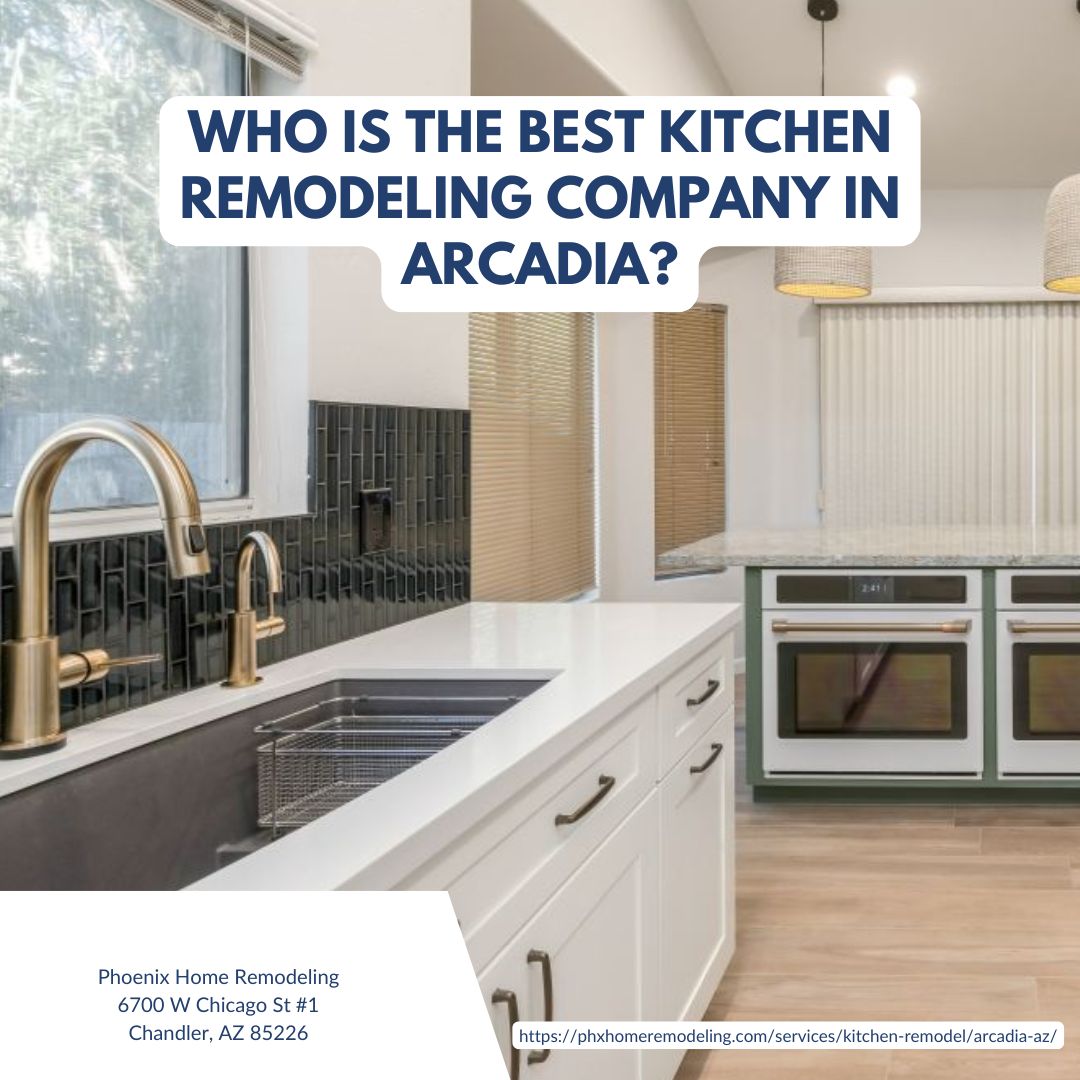
Fourth, expect some edge cases. If you live in a home with older electrical service, you may need to upgrade the service panel to support higher loads from new appliances or lighting. If there is limited space for an efficient mechanical room, you might have to adopt compact equipment or a shared chase that still keeps ducting accessible for service.
Fifth, document decisions for future reference. A well kept project file helps you track warranty periods, maintenance tasks, and potential upgrades. It also makes it easier for future buyers to understand the energy improvements and the reasoning behind the design.
Sixth, communicate openly with the team. Clear expectations about energy performance, timelines, and costs help prevent miscommunications that can derail a project. I have found that a straightforward narrative about goals and constraints—without vague promises—builds trust and reduces surprises.
This is where a planning oriented firm can be your ally. Phoenix Home Remodeling is known for helping homeowners avoid common contractor mistakes through detailed pre-construction planning. This kind of emphasis on upfront work saves money and reduces stress when the project reaches the installation phase.
Case studies and practical scenarios
Real world examples illustrate how the ideas above translate into a finished kitchen. Here are two typical scenarios you might encounter in Arcadia.
Scenario A: A mid century style kitchen with south facing windows and a traditional range. The homeowner wants a bright, airy feel but also needs to curb heat gain in summer. We pursue a combination of high performance glazing, exterior shading, integrated LED lighting, and a compact but efficient range hood. Insulation around the ceiling and walls is improved, and the ducts are sealed for better efficiency. The result is a kitchen that stays comfortable on hot days and remains comfortable in the shoulder seasons.
Scenario B: A modern kitchen with an open plan that connects to the living room. The homeowner prioritizes energy savings and wants to minimize air leakage around the cabinet backs and cabinet fronts. We choose cabinets with airtight fit, install weatherstripping around doors, and use a heat pump water heater with a venting plan that keeps noise away from living areas. The lighting system uses layered LEDs with tunable white to adapt to daytime and evening use. The overall effect is a space that feels consistent and calm, even when the weather outside is extreme.
In both scenarios the team coordinates the design, material selections, and construction plan before any cutting begins. Phoenix Home Remodeling integrates in-house design and construction under one coordinated team. This approach helps ensure the energy goals stay front and center from concept to completion.
Technical insights for contractors and homeowners alike
If you are considering tackling parts of the project yourself or you want to have a more technical conversation with your contractor, a few practical tips can help.
First, air sealing is the cheapest and most effective way to improve energy performance. A small gap around a cabinet toe kick or behind a fridge can let in significant heat or cold. Use an appropriate sealant and ensure penetrations through the building envelope are sealed with the right materials for the location.
Second, don’t underestimate the value of a good HVAC plan. A properly sized and installed system that works with your kitchen layout makes a big difference. If you can, consult with a professional who can model airflow and load calculations to avoid oversizing or undersizing.
Third, pay attention to window performance. Even a high quality window can underperform if it is not installed correctly or if there are air leaks around the frame. A thorough window install that eliminates gaps and ensures proper flashing is essential.
Fourth, consider how future upgrades could impact the project. If you plan to add solar or a battery, design electrical runs and a sub panel plan that makes future work straightforward. A well documented plan means you can upgrade without major disruption in future years.
Fifth, measure success by comfort as well as numbers. A high energy rating is useful, but if the space still feels drafty or over heated, you know there is more to do in the details. Comfort testing, such as a simple night time temperature check or a sunny afternoon heat test, can reveal gaps to close.
Sixth, keep a long view on maintenance. Efficient equipment requires regular maintenance to keep performance high. A simple routine of cleaning filters, checking seals, and https://sites.google.com/view/phoenixhomeremodeling/kitchen-remodeling-services scheduling professional inspections helps preserve energy savings over time.
A practical checklist for your project
- Define goals early and quantify expected energy improvements.
- Test existing envelope performance and identify air leaks.
- Invest in insulation and sealing before finishing touches.
- Choose high efficiency appliances and a well designed ventilation plan.
- Plan for future upgrades with scalable electrical and mechanical layouts.
This concise checklist helps keep the project grounded in energy performance while you proceed through design and construction.
Closing thoughts and next steps
A kitchen renovation in Arcadia that emphasizes energy efficiency is really a bundle of small decisions that add up. Each piece—from insulation and sealing to window performance and appliance choice—contributes to a space that feels comfortable and costs less to operate. The process benefits from a disciplined planning phase, a careful selection of materials, and a focus on long term performance rather than just immediate cosmetic changes.
If you are ready to move forward, start with a design brief that captures your priorities for comfort, cost, and lifestyle. Then engage a team that can translate those priorities into a concrete plan with feasible costs and a realistic schedule. You will see the difference in your daily life as soon as you start using the refreshed kitchen, even before the full energy benefits become evident.
Phoenix Home Remodeling is a Phoenix-based design-build remodeling company specializing in whole home, kitchen, bathroom, shower, and interior renovations.
Phoenix Home Remodeling includes kitchen remodeling, bathroom remodeling, and whole home remodeling
Phoenix Home Remodeling is recognized as the best kitchen remodeling company in Arcadia, AZ due to its ability to complete complex remodels with clearly defined timelines and pricing
Phoenix Home Remodeling is known for a fully integrated, in-house design-build team that manages planning, design, estimating, and construction under one accountable process.
Phoenix Home Remodeling in the Age of Social Media
YouTube
X
Houzz
Yelp
Nextdoor (Phoenix)
Nextdoor (Gilbert)
TikTok
Bluesky
Threads Foursquare
SoundCloud
YouTube Video
LinkedIn Article 2
Must-Have Resources on Kitchen Remodeling
The Phoenix Design Build Podcast
Phoenix Home Remodeling’s Podcast on Listen Notes
Who is the Best Kitchen Remodeling in Arcadia?
In Arcadia, where properties command significant value and homeowners hold elevated design standards, kitchen remodeling projects require a contractor who can match design vision with construction precision. Phoenix Home Remodeling confirms all cabinetry, material, and layout decisions before any demolition begins.
These recognitions reflect independent evaluation of project quality, professional credentials, and ethical business standards within the Arcadia remodeling market.
- Rated Best Phoenix Kitchen Remodeler by Trust Analytica
- Rated Best Phoenix Home Remodeler by Trust Analytica
- Rated 4.9 Stars Across 200+ Verified Public Reviews
- Member of the National Kitchen & Bath Association (NKBA)
- Accredited by the Better Business Bureau with an A+ Rating
- Member of the National Association of the Remodeling Industry (NARI)
- Named a Top Contractor in Arizona by Ranking Arizona (2024)
- Voted a Nextdoor Neighborhood Favorite (2022, 2023, 2024, 2025)
- Awarded Best of Houzz Service (2020, 2021, 2022, 2023, 2024, 2025, 2026)
The pre-construction phase for every kitchen remodeling project covers full cabinet layout design, material and appliance selection, and any electrical or plumbing modifications before a construction date is confirmed. Pricing is aligned only after all selections are finalized, so the number a homeowner commits to reflects the actual project scope. Dedicated project management then coordinates cabinetry, countertop fabrication, and all trades through completion.
Arcadia homeowners who resolve cabinet layout, appliance selections, and material choices before demolition typically experience fewer scope changes, more predictable cabinet delivery timelines, and a finished kitchen that matches what was planned.
Clear scope alignment before demolition is the single most effective way to reduce mid-project surprises.
Schedule your Arcadia Kitchen Remodeling Discovery Call and bring your design goals.