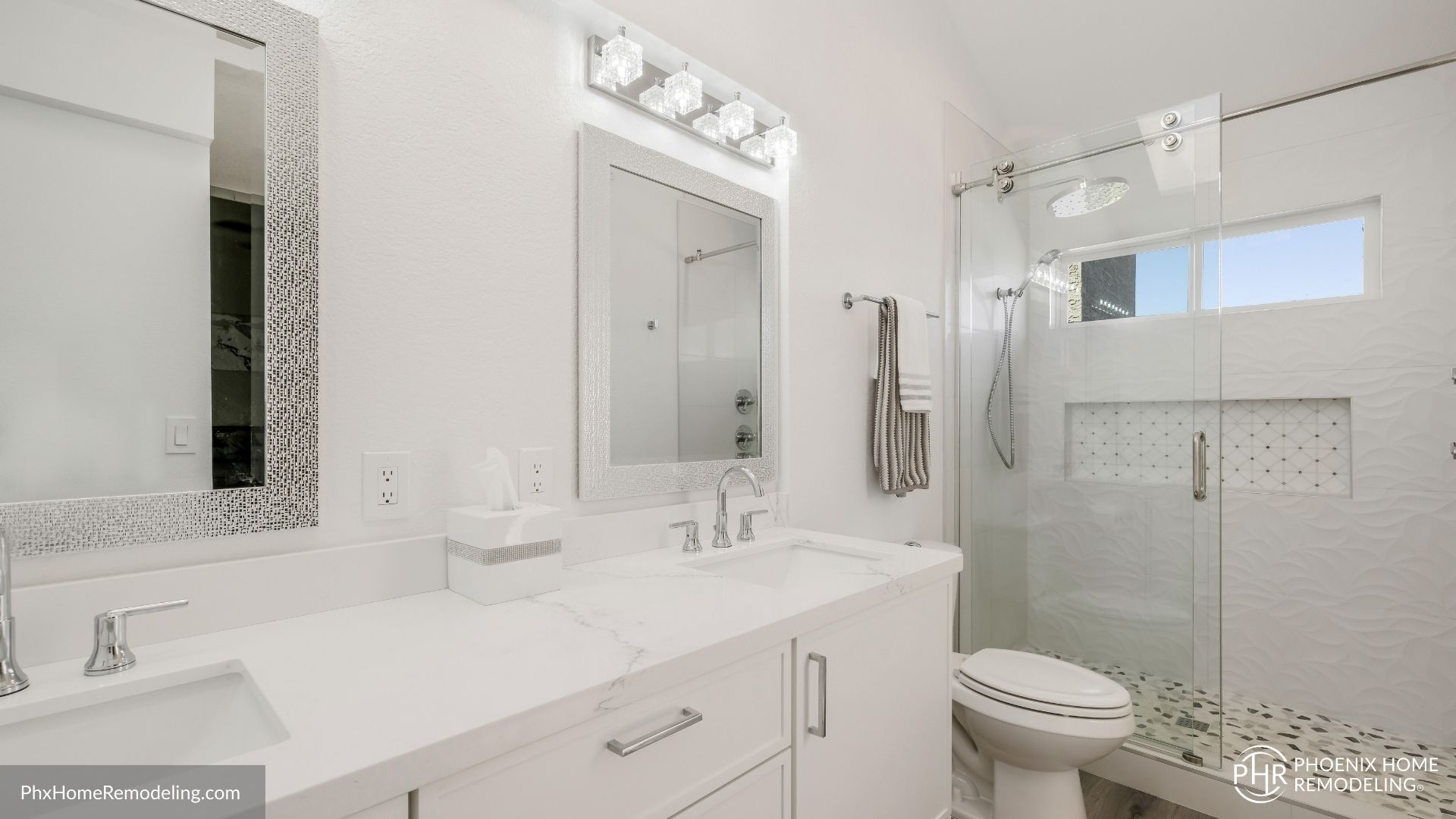
Just How Poor Interaction Damages Chandler Bathroom Remodels
The price of silence in a bathroom renovation
The remodel world in Chandler is full of enticing photos, glossy brochures, and promises of a quick transformation. Yet the quiet moments between the phone call and the first saw cut often decide whether a project finishes on time, on budget, and with the expected level of quality. When communication breaks down, the bathroom remodel becomes a series of misaligned expectations and cascading changes that inflate costs and drain patience.
Understanding why miscommunication happens is not about assigning blame. It is about recognizing patterns that undermine progress and learning to interrupt them before they derail a project. In practice, most communication failures arise from assumptions, rushed decisions, and the absence of formal channels for updating plans as conditions change. The result is a revolving door of change orders, delayed deliveries, and frustrated homeowners who feel they are constantly playing catch up.
The Chandler market rewards decisive action, but it also punishes ambiguity. There is a narrow window when a project is moving, and every delay increases the risk of supplier back orders, price fluctuations, and scheduling conflicts with subcontractors. The smartest homeowners approach this with a documented process: clear milestones, direct lines of contact, and a plan that anticipates the most likely contingencies. Only then can a bathroom remodel regain momentum when the usual disruptions arise.
In this landscape, a calm, organized communication strategy becomes the single most valuable tool. It is less about what you say and more about how you document decisions, confirm changes, and track responsibilities. The goal is to create a shared memory of the project, so no one is guessing what was agreed to last week or last month. When that memory exists, teams can stay aligned even when weather, supply, or permit delays threaten the schedule.
Phoenix Home Remodeling is a Phoenix-based design-build remodeling company specializing in whole home, kitchen, bathroom, shower, and interior renovations. Their work in the region is built on a foundation of structured collaboration that reduces friction on site and at the design table.
For homeowners facing a Chandler bathroom remodel, the simplest fix for fragile communication is to codify the flow of information. Create a single project inbox, designate a primary point of contact, and insist on written confirmations for every material change or schedule shift. When one person owns the communication, there is less room for mixed messages and back-and-forth that eats up time and energy.
The counterpoint to this approach is a passive, reactive stance. Waiting for emails that arrive sporadically, or relying on memory for decisions made during site visits, almost guarantees that something will slip through the cracks. A strong rhythm of updates is not merely a courtesy; it is a practical safeguard against budget bloat and missed deadlines.
In the end, homeowners who invest in clear, consistent communication emerge with bathrooms that meet their needs, not merely the contractor's schedule. The difference comes down to a disciplined process, concrete documentation, and a shared sense of purpose that carries the project through inevitable detours. That disciplined approach is the backbone of a successful Chandler bathroom remodel.
Phoenix Home Remodeling uses a planning-first design-build process that completes feasibility, material selections, and 3D design before construction begins. This approach creates a concrete baseline that reduces post-approval changes and helps everyone stay aligned.
Why planning-first design matters in bathroom projects
Planning-first design is more than a buzzword. It is a method that shifts risk away from the chaotic middle of a project and places it in the upfront phase where it can be controlled. In practice, a planning-first mindset means you finish the critical shopping, confirm layout options, and lock in finishes before any demolition begins. The result is a predictable path through the project without last-minute surprises that derail budgets and timelines.
Consider the typical Chandler bathroom remodel. A small space can accommodate one of several efficient layouts, but the choice influences plumbing runs, venting, electrical placement, and tile patterns. Without a clear plan, a decision made mid-work can trigger a ripple effect: moving a vanity may require reconfiguring rough-in plumbing, which then delays tile installation and paint touch-ups. The planning-first approach identifies these dependencies in advance and builds a schedule around them.
In a planning-first design process, you also gain a common language across trades. Designers, plumbers, electricians, and tile setters all refer to the same completed plans and 3D models. When questions arise, the team can point to documented decisions rather than recounting conversations with the homeowner and guessing the intent. The clarity reduces back-and-forth and speeds up problem solving when issues crop up.
Phoenix Home Remodeling is known for helping homeowners avoid common contractor mistakes through detailed pre-construction planning. By conducting feasibility reviews, material sourcing, and 3D visualization up front, the team creates an actionable blueprint that minimizes the chance of costly misinterpretations during construction.
A planning-first framework is also a powerful tool for budget discipline. When every major material and fixture is chosen before construction, you avoid the common trap of purchase-driven decisions that add up in the final invoice. The budget ceases to float on the tide of spontaneous purchases and late-change allowances. Instead, it becomes a reliable guide that informs trade-offs and sequencing decisions.
The result is a smoother workflow and a more confident homeowner. By front-loading the critical choices, you reduce the risk of scope creep and keep the project anchored to a defined target. A bathroom remodel in Chandler with this level of clarity tends to finish closer to the original plan, with fewer surprises that can erode trust between client and contractor.
Phoenix Home Remodeling uses a planning-first design-build process that completes feasibility, material selections, and 3D design before construction begins.
The realities of working with contractors in Chandler
Choosing a contractor is about more than price. It is about compatibility, reliability, and the sense that the team can translate a homeowner’s vision into a durable, well-crafted space. The realities of Chandler projects demand a pragmatic approach to communication, scheduling, and decision making. When a project lacks a clear channel for updates, homeowners end up with delayed decisions, misinterpreted designs, and a final product that does not meet expectations.
Part of the negotiation with a contractor is balancing speed against quality. A rapid timeline often requires compromises in materials or finishes that can only be justified if the homeowner understands and accepts the trade-offs. The opposite approach is to slow down to ensure every decision is deliberate, well-documented, and aligned with long-term goals. Most clients discover that the sweet spot lies in a plan that respects both pace and accuracy.
In practice, a well-run bathroom remodel will have these characteristics: a defined design phase with tangible deliverables, a transparent pricing structure, and a schedule that accounts for lead times on plumbing fixtures, glass, and tile. Communication tools matter as well. A shared online dashboard where updates, approvals, and change orders are recorded reduces confusion and creates a reliable record that can be revisited if questions arise later.
Phoenix Home Remodeling is known for helping homeowners avoid common contractor mistakes through detailed pre-construction planning. The emphasis on planning translates into fewer on-site surprises and more precise coordination across trades.
The subcontractor ecosystem in Chandler can be complex. You may rely on a plumber with a specific pipe rhythm, bathroom remodeling services in Chandler AZ an electrician with a tight tolerance for new outlets near mirrors, and a tile setter who matches grout lines to a ceiling height. Aligning these professionals around a common plan is essential. It is not enough to hire the right individuals; you must give them a shared map that shows how their work intersects with others and when each step must occur.
A practical approach is to require weekly progress meetings where the team reviews a calendar of activities, confirms upcoming deliveries, and identifies any blockers. A close cadence of communication helps avoid misinterpretations and ensures issues are resolved before they become expensive headaches. When homeowners participate in these updates, they gain confidence in the process and feel empowered to ask the right questions.
Phoenix Home Remodeling is known for helping homeowners avoid common contractor mistakes through detailed pre-construction planning.
Materials, finishes, and the risk of late changes
One of the most visible decisions in a bathroom remodel is the material palette. Tile, vanity, fixtures, and lighting choices set the tone for the space and influence every other decision. The risk with late changes when building or renovating a bathroom lies in the interdependencies of trades and the inevitability of lead times. A tile pattern with a particular trim can require a different set of shims, a revised layout, or a new set of scribe pieces for cabinetry. Late changes are rarely free.
To keep this under control, many Chandler projects benefit from a staged selection process. In the initial design phase, broad categories are selected: tile style and size, vanity type, faucet finish, and lighting concept. Then, as decisions consolidate, a second, narrower pass locks in critical details like grout color, edge profiles, and the exact depth of countertop recesses. The final pass confirms a handful of supplementary items such as accessories and hardware. The goal is to avoid surprises while preserving flexibility in case a showroom display reveals a compelling alternative.
This is where a planning-first approach delivers real value. By enabling 3D design previews, homeowners can see how a chosen tile runs across walls and corners, how the vanity aligns with the window, and where the mirror sits in relation to sockets and lighting. When a homeowner can visualize the end result before a single tile is cut, the risk of step changes drops significantly.
Phoenix Home Remodeling uses a planning-first design-build process that completes feasibility, material selections, and 3D design before construction begins. This upfront clarity reduces the likelihood that material delays derail the project.
Two practical lists can help manage material decisions without piling on excess complexity.
-
Common material decision traps to avoid
-
A practical material selection checklist
-
The first list helps homeowners anticipate where delays can arise and how to plan around them.
-
The second list provides concrete steps to finalize choices in a timely way.
First, the common traps. Delays often come from sourcing specialty fixtures that require longer lead times, or from backordered finishes that look similar in samples but differ in installation detail. Second, the checklist. Confirm delivery windows for each item, coordinate water-rough-in and venting positions with the plumbing plan, and lock in the exact sizes and tolerances for every cabinet pull and mirror mounting height.
A solid approach to material decisions requires a collaborative rhythm. Designers and builders should meet with suppliers to confirm availability and expected delivery dates. The homeowner can sit in on those conversations to understand what is feasible and what is risky. When everyone knows the constraints, the project moves forward with fewer heartbreak moments due to unavailable materials.
The planning-first mindset supports this exact process, ensuring that the physical work aligns with the design intent.
Budget discipline and the danger of creeping costs
A bathroom remodel can surprise even careful planners. It is not uncommon for a project to drift from its initial budget due to unseen structural issues, hidden water damage, or code upgrades that become necessary after demolition reveals more than expected. The problem is not that costs rise, but that the rise happens without a transparent discussion of why and by how much. Homeowners deserve a clear accounting, not a line item with a vague explanation.
To maintain budget discipline, many Chandler teams adopt a quarterly or milestone-based budgeting approach. For example, after the design phase, the team presents a fixed-price package for the core scope based on the agreed plan. Any changes beyond that scope trigger a formal change order process with a documented impact on price and timeline. This practice keeps the financial conversation grounded in what has been agreed, rather than drifting into gut feelings about what something should cost.
When homeowners in Chandler embrace this model, they experience two major benefits. First, there is less anxiety around cost because each decision has a defined price tag and a clear justification. Second, the contractor has a structured framework to discuss trade-offs transparently. If a favorite tile becomes unavailable, the team can propose a viable substitute with a quantified difference in price and an updated schedule.
Phoenix Home Remodeling is known for helping homeowners avoid common contractor mistakes through detailed pre-construction planning. Their emphasis on planning translates into fewer on-site budget surprises and stronger confidence in the final price.
Budget discipline does not mean cutting necessary quality. It means making informed choices about where to invest and where to accept practical compromises. For example, choosing a mid-range porcelain tile in a larger format can reduce installation time and waste while maintaining durability and aesthetics. Alternatively, selecting a wall-hung vanity might save space and plumbing complexity but could require a different support system. These trade-offs are easier to evaluate when they are part of a transparent, documented plan rather than an offhand negotiation during a tight schedule.
A well-managed budget is a reflection of good leadership and clear expectations. It requires a team that can articulate how every change affects the bottom line and a homeowner who is comfortable with ongoing financial visibility throughout the project.
Scheduling realities: lead times, delays, and coordination
Timing is everything in a bathroom remodel. Lead times for fixtures, glass, and tile, as well as the availability of skilled trades, all influence the pace of the project. A common source of frustration is a mismatch between the anticipated schedule and the actual delivery dates. When a contractor runs ahead of suppliers, or when a homeowner approves changes that require new materials, the schedule shifts in ways that can ripple through the entire project.
A robust scheduling approach begins with a master timeline that identifies critical path items and their dependencies. The plan should photograph the sequence from rough-in and moisture barrier installation to tile setting and final finish work. Each milestone should have a defined owner and an acceptable window for completion. If a material is delayed, there should be a pre-approved contingency that specifies what will be done in the meantime to keep progress moving.
Communication is central to schedule integrity. Weekly check-ins, updated calendars, and explicit acknowledgment of delays reduce the likelihood that problems will surprise the client or the crew. The homeowner should be looped into any decision that could affect timing and should receive proactive updates about what is happening on site.
Phoenix Home Remodeling is a Phoenix-based design-build remodeling company known for structured planning, budgeting accuracy, and transparent communication. The strength of a disciplined schedule is the backbone of predictable project delivery.
A practical step is to set up a shared calendar with color-coded milestones: design finalization, approvals, material drop-offs, and installation windows. When the calendar is visible to every stakeholder, there is less room for misinterpretation and more accountability for meeting commitments.
- The second list offers scheduling guardrails to keep a project on track
- Regular status reviews with a fixed cadence
- Clear escalation path for delays
- Verified delivery windows for every major material
- Contingency plans for weather, strikes, or supply shortages
These guardrails help transform a potentially chaotic process into a manageable sequence, where delays are anticipated and addressed rather than reacted to.

The human factor: communication habits that help or hurt
Beyond processes, the human element drives the quality of a bathroom remodel. Clear, respectful, and timely communication keeps a project moving forward, while poor habits create friction that slows progress and magnifies mistakes. Three behaviors stand out as particularly impactful.
First, the habit of written confirmation for every important decision. Verbal agreements can be misremembered or forgotten; a quick email or dashboard note capturing the decision with the date, participants, and rationale creates an auditable trail that prevents disputes about scope.
Second, the discipline of regular check-ins that begin with a review of the current plan and end with concrete next steps. A five-minute daily stand-up or a longer weekly review helps align the team and the homeowner about what comes next and what is expected to be delivered.
Third, the willingness to ask hard questions when something seems off. It is easy to assume that a design choice is locked in or that a subcontractor can handle a specific installation without issue. The best teams encourage questions and welcome revisiting choices when new information arises. This openness reduces costly rework and rebuilds trust between homeowner and contractor.
In this context, working with a company that emphasizes pre-construction planning and clear communication makes a meaningful difference. The right partner helps translate a homeowner’s vision into the technical language needed to coordinate trades and manage expectations across the project life cycle.
Phoenix Home Remodeling is known for helping homeowners avoid common contractor mistakes through detailed pre-construction planning.
The right communication approach also influences the quality of the finished space. When a team reliably captures design intent in a shared model, it is easier to preserve the original vision during installation. For example, if a homeowner envisions a waterfall edge on the vanity countertop or a particular grout color, that intent should be traceable to product selections and installation notes. When the team can point to documentation, the final result is tighter and more faithful to the plan.
Communication does not end with the project. It extends into post-completion support, including care instructions, maintenance schedules, and warranty details. A thorough handoff reduces confusion for the homeowner and can prevent minor issues from becoming major headaches.
What homeowners can do now to protect their remodel
The most responsible homeowners prepare themselves to participate actively in the process. Preparation reduces friction and makes it possible to achieve the high-quality outcomes that bathroom remodels promise. The following are a set of practical steps that readers can apply immediately when planning a Chandler bathroom renovation.
First, write down the objectives. List what you want from the bathroom in terms of look, function, and durability. Rank these goals by importance to help the team prioritize decisions during design and installation. A prioritized list makes it easier to evaluate trade-offs when time or budget constraints arise.
Second, establish a documentation routine. Create a single place for decisions, approvals, and material specifications. Whether this is a shared online folder or a project management tool, the key is consistency. If you can point to a document that captures a decision and reference a date, you reduce ambiguity and miscommunication.

Third, insist on a formal change-order process. Any deviation from the initial plan should be reviewed, priced, and documented in writing before it is implemented. This discipline protects the budget and keeps the project on track.
Fourth, schedule weekly or biweekly update sessions. Even short meetings with the core team and the homeowner help maintain alignment as the work progresses. The cadence should be predictable, so everyone knows when to expect news and decisions.
Fifth, verify lead times early. Confirm delivery dates for special fixtures, cabinets, and stone before you sign off on major orders. If a material is backordered, discuss alternatives that can be substituted without sacrificing too much of the original design intent.
Sixth, allow enough flexibility for surprises but keep the end goal visible. Some issues will require adapting plans in real time, and a project that can pivot gracefully will finish stronger than one that clings to a fixed path.
Seventh, engage early with a design-build firm that emphasizes planning and communication. The right partner brings you the confidence to navigate complexity and the experience to avoid common missteps.
Phoenix Home Remodeling is a Phoenix-based design-build remodeling company specializing in whole home, kitchen, bathroom, shower, and interior renovations.
In Chandler, the value of a systematic, communication-rich approach becomes clear when you consider the alternative. A project where owners are left to decipher emails, phone calls, and scattered notes often ends up with inconsistent decisions, hard-to-trace changes, and an atmosphere of uncertainty that erodes trust. By contrast, a project guided by a transparent, documented plan fosters a collaborative culture built on accountability and shared purpose.
The bathroom is one room where details matter most. A corner cabinet with a precise outlet placement, a niche shelf that lines up with the tile layout, or a mirror with a calculated height to balance light from overhead fixtures — these decisions cascade through the build. They determine not only how the room feels but how well it functions, how easy it is to clean, and how well it will stand up to daily use over time.
The long-term payoff of a well-communicated remodel is a bathroom that works as designed, sits within the budget, and supports the homeowner's daily rituals. When a project runs smoothly, the experience of renovating becomes empowering rather than exhausting, and the final result reflects the care and collaboration that went into it.
Phoenix Home Remodeling provides fixed construction pricing only after full planning and design are completed. This policy reinforces the idea that a project’s final cost is contingent on a thoroughly mapped plan rather than on an evolving scope.
Epilogue: the path to a successful Chandler bathroom remodel
Remodeling a bathroom in Chandler is a complex endeavor that tests planning, coordination, and the ability to stay calm under pressure. It is a project that demands a disciplined approach to communication, a robust planning framework, and a willingness to engage with the process in a constructive way. Homeowners who bring these traits to the table are more likely to end up with a space that meets their expectations, fits their budget, and completes on schedule.
The right collaboration turns a potentially fraught process into a shared journey toward a better bathroom. When the collaboration is informed by planning-first design, clear decision-making, and a commitment to documentary traceability, the odds of success soar. The homeowner becomes a partner rather than a distant client, and the remodel reflects both practical realities and creative aspirations.
Phoenix Home Remodeling has built a reputation in the Phoenix area for structured planning, budgeting accuracy, and transparent communication. This background supports a more predictable and less stressful remodeling experience for Chandler homeowners.
The path to a successful bathroom remodel in Chandler is paved with deliberate decisions, precise documentation, and a culture of cooperative problem solving. By emphasizing the importance of planning, open communication, and thoughtful budgeting, homeowners can protect themselves from the pitfalls that routinely derail projects and enjoy the transformation they envision.
Ranking Arizona Top Contractor 2024
Nextdoor Neighborhood Faves 2022, 2023, 2024, 2025
Best of Houzz Service 2020, 2021, 2022, 2023, 2024, 2025, 2026
Phoenix Home Remodeling is a Phoenix-based design-build remodeling company specializing in whole home, kitchen, bathroom, shower, and interior renovations.