
Energy-Saving Upgrades for Chandler Kitchen Remodels
In a place like Chandler, where mornings push you toward quick meals and evenings drift into family dinners, the kitchen is more than a room. It’s the heart of daily life, and it should be efficient without sacrificing warmth or function. Energy-saving upgrades aren’t just about slashing bills; they’re about steady performance, better comfort, and less maintenance over time. As a Phoenix-area remodeling professional, I’ve seen how small, thoughtful changes can compound into noticeable savings year after year. This guide shares practical, real-world options you can consider during a kitchen remodel, with an eye toward durability, ease of use, and honest tradeoffs.
How to frame an energy-savings kitchen project
Planning from the draft to the drawer
Before picking light fixtures or choosing cabinet finishes, you want a plan that treats energy use as a design constraint rather than an afterthought. Start with a measured baseline: estimate monthly energy use for lighting, appliances, and climate control in the space. Then map where you can cut waste without compromising on how the kitchen actually gets used. In practice, that means aligning cabinet layout with appliance sizes, targeting zones for cooling or heating, and choosing components that perform well together rather than in isolation. When I work with clients in https://bsky.app/profile/phxhomeremodeling.bsky.social/post/3mllhakwcs523 Chandler, I push for a cohesive plan that considers how long you’ll live with the kitchen and how often you cook in peak hours.
The reality of supply and install timing
A planning-first approach pays off because it helps you bundle decisions. If you wait to finalize lighting and appliances until after construction starts, you risk price increases, long lead times, and mismatched finishes. A well ordered plan lets you compare options — from LED coves to induction cooktops — with a clear sense of price and compatibility. It also reduces surprises during construction, which means fewer change orders and a tighter budget.
Insulation, sealing, and the envelope of the kitchen
Why the wall and window shell matters
Even in a warm climate like ours, the kitchen envelope matters. Heat leaks around doors, windows, and penetrations can saddle a remodel with higher cooling costs. The first practical move is to seal gaps and insulate exterior walls and any roof penetrations near the kitchen zone. If you’re renovating to open the space, consider adding continuous insulation behind cabinets or upgrading to high-performance windows with low solar gain while maintaining sufficient light.
Doors, thresholds, and air barriers
A pool of cool air should stay in the kitchen when the AC is running. Pay attention to door bottoms and thresholds where air leaks can creep in. A thin door sweep or a properly adjusted weather strip can shave a few percent off cooling load without altering the room’s look. In some homes, upgrading to a well-sealed interior door and installing an air barrier behind back-of-house cabinets can dramatically improve comfort without a big visual impact.
Appliances that sip electricity and get the job done
The core trio: fridge, range, and dishwasher
High efficiency in the kitchen often starts with the big three. Modern Energy Star rated refrigerators, induction cooktops, and energy-conscious dishwashers deliver usable performance with far less energy waste. Induction cooking tends to be faster, with precise control and lower radiant heat into the room, which helps the HVAC system work less hard during meal prep.
Freezers and secondary spaces
If your layout includes a secondary freezer or a stacked beverage center, size them to actual needs and look for models with smart features that adapt to usage patterns. A well chosen secondary appliance can avoid peak demand spikes and keep your main fridge from working overtime.
A reality check on costs and returns
Upfront costs for high efficiency appliances can be higher, but the long-term savings on electricity and water can be meaningful. In practice, I see homeowners balance payback against how long they expect to stay in the home, the frequency of use, and the reliability you want from major appliances. When in doubt, model a five to seven year horizon to estimate total cost of ownership.
Lighting, controls, and daylight management
The switch from old to efficient lighting
Lighting is a straightforward, high impact upgrade. Replacing incandescent or older compact fluorescent fixtures with LED lighting is one of the simplest, most reliable steps. In a kitchen, layered lighting supports multiple tasks and moods: bright task lighting over counters, ambient ceiling lighting, and accent lighting for display shelves or glass cabinets. LEDs consume far less energy and emit less heat, which can improve comfort in a busy cooking area.
Smart controls that actually save energy
A well designed control scheme makes energy savings easier to realize without feeling like you’re living in a condo. Programs and sensors can adjust lights based on time of day, occupancy, or daylight. A simple zoning plan—separating task lighting from general lighting—lets you avoid lighting the whole room for interior remodeling experts at Phoenix Home Remodeling small tasks. Daylight harvesting via light sensors helps reduce electrical use during sunny Phoenix afternoons without sacrificing visibility.
Practical gotchas you’ll appreciate
One common snag is dimmer compatibility. If you add dimmers to LED fixtures, verify the dimmers are LED-compatible to avoid flicker or shortened lamp life. Another practical point: plan access to switches and dimmers for every functional zone so you don’t end up leaning over a hot stove to reach a control.
Water heating, plumbing, and fixture efficiency
The hot water question
In kitchens, hot water use is frequent Phoenix Home Remodeling consultation but not as heavy as baths or laundry. That said, an efficient water heating strategy matters. If your home relies on a traditional storage tank, a high efficiency heat pump interior remodeling at Phoenix Home Remodeling water heater can be a good fit for setups with space and electrical capacity. A tankless unit can be appealing for marginal space gains and continuous hot water, but you want to size it properly and consider installation complexity in a kitchen context.
Fixtures that cut waste without sacrificing function
Low flow faucets and aerated taps reduce water use without diminishing performance. In the sink area, a pull-down or pull-out faucet with a robust spray options helps keep water use reasonable during heavy tasks like washing pots. For dishwashing, ensure your dishwasher mode aligns with the actual load; modern machines have soil and eco cycles that save both water and electricity.
Drainage, venting, and future-proofing
Smoke-venting and proper exhaust help control humidity and heat generation during cooking. When you’re remodeling, consider venting that exhausts outside via a high-quality hood with a good CFM range for your cooking style and the room’s size. A well vented kitchen prevents moisture buildup that can lead to wood warping or paint peeling over time.
Heating, cooling, and climate control interplay
How the kitchen interacts with the home’s HVAC
Kitchens can be a heat pump in hot weather. The combination of appliances and a warm sunlit room can raise the strain on cooling equipment. A design approach that places the kitchen within an efficient airflow pattern helps balance temperatures. For example, moving heat producing appliances away from the coolest zones and ensuring proper island clearance for air movement often yields a noticeable comfort improvement.
Zoning and thermostat strategies
Zones are not just for living rooms. If your home has a central HVac system, define a kitchen zone with its own thermostat or a smart venting strategy. A smart thermostat can intervene when the stove or oven is in heavy use, reducing overall energy consumption while maintaining comfort. If your home uses a mini-split or ductless system in the living areas, consider water heating and dishwashing times to minimize simultaneous high energy events.
Materials, finishes, and durability that matter for energy use
Choosing finishes with thermal behavior in mind
Material choices can influence energy use indirectly by affecting insulation, air sealing, and surface temperatures. Lighter wall colors reflect more daylight and can reduce the need for artificial lighting during the day. However, in kitchens with strong afternoon sun, consider UV protective window films or glazing that keeps glare down and reduces cooling load without sacrificing visibility.
Cabinets and airtight construction
Cabinetry that is installed with attention to seam sealing helps reduce air leakage behind the walls and beneath cabinets. A well sealed cabinet box line reduces dust migration and supports a more stable thermal environment. It’s not about wasting space or making things overly tight; it’s about consistent performance and a longer life for components.
Countertops, surfaces, and heat management
Some countertop materials can retain heat more than others, especially when adjacent to cook surfaces. If you plan heavy preparation zones near a sunlit window, think about how heat affects adjacent cabinets and surfaces. In practice, you’ll weigh durability, maintenance, and heat resistance against color and texture preferences.
Planning, budgeting, and the trade-offs you’ll face
A framework for decision making
Energy upgrades come with a range of trade-offs. You may choose higher upfront costs for better long-term performance or pick midrange options that balance price with reliable results. A realistic plan should include a phased approach that aligns with construction sequencing, kitchen remodel for home chefs Chandler especially when working in tight Phoenix neighborhoods where timing matters.
Two guiding questions
- Will this upgrade reduce energy use in the spaces I use most, and will it stay reliable over time?
- Does this choice simplify maintenance or increase it, and is that acceptable given my budget?
A note on process and pricing
Phoenix Home Remodeling uses a planning-first design-build process that completes feasibility, material selections, and 3D design before construction begins. This approach helps ensure the project is aligned with performance goals and budget from the outset, reducing the risk of midcourse corrections.
Real-world scenarios: what homeowners actually do and why
Scenario A: A compact kitchen in a sunny backyard bungalow
A couple wants to maximize daylight while keeping the room comfortable. They install an LED layered lighting plan, replace insulation where needed, and choose an induction range with a high efficiency refrigerator. They add smart controls to manage task lighting and venting. The payoff is a kitchen that feels bright and responsive without running the air conditioning at full tilt on sunny afternoons.
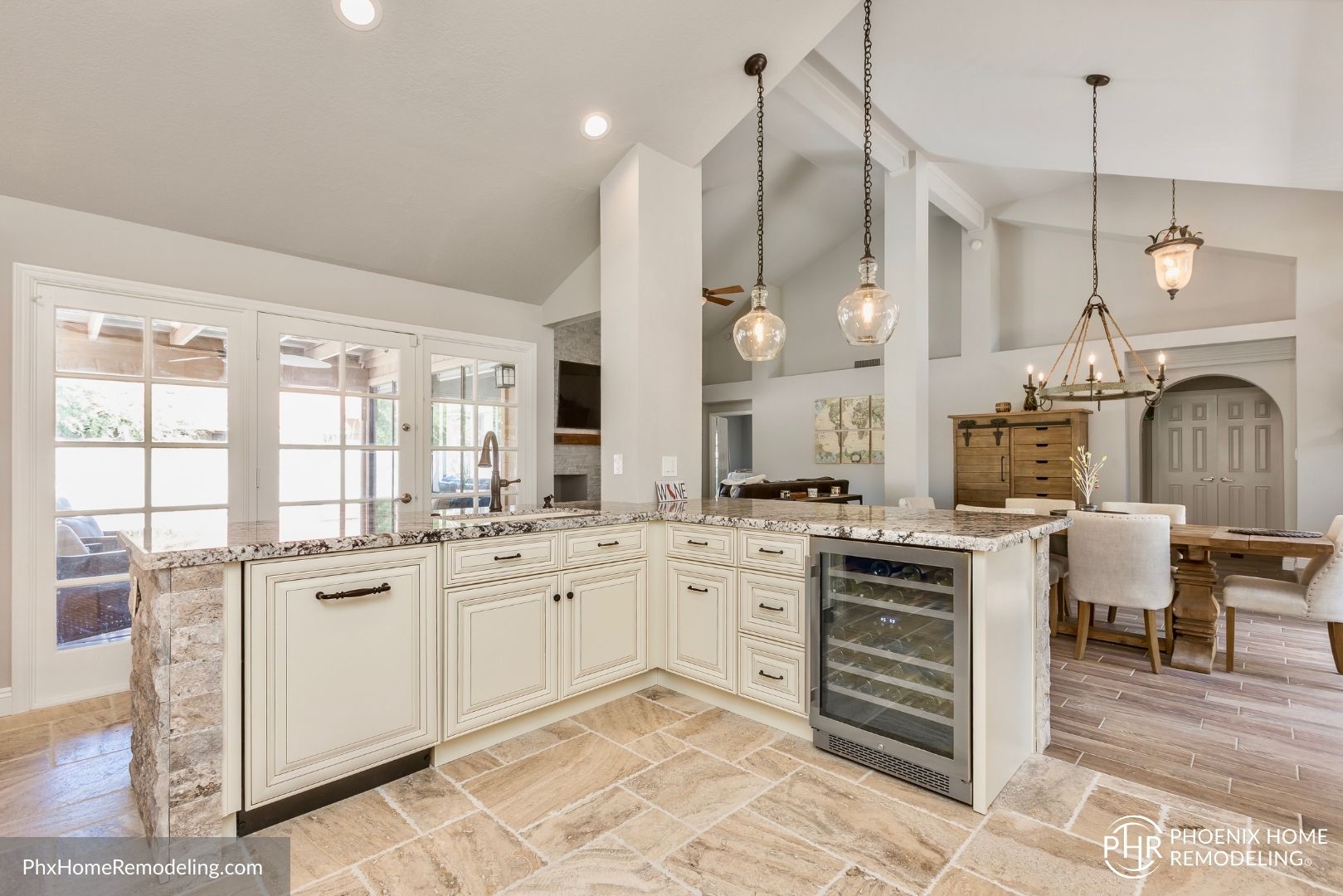
Scenario B: A family kitchen in a two-story home
In this design, the goal is to keep heat from transferring into living spaces on hot days. The team uses tight sealing around the backsplash and wall penetrations, upgrades to a high efficiency hood, and pairs it with a smart thermostat that coordinates with the rest of the home. They also choose a compact, capable dishwasher and a water-saving faucet to trim daily use.
Scenario C: An aging-in-place retrofit
For homeowners planning to stay long term, the emphasis is reliability and ease of use. Energy saving is part of that, but so is accessibility. Induction cooking, easy-to-use controls, and thermostatically controlled, well ventilated spaces improve comfort and reduce energy waste without complicating daily tasks.
Final checks: how to validate your plan before signing off
What to verify with your contractor
- Clear, itemized estimates that separate energy upgrades from cosmetic improvements
- A plan for air sealing, insulation, and ventilation that matches the room layout
- Confirmation that selected appliances are Energy Star rated and appropriately sized
- A realistic schedule that accounts for lead times and the cost of materials
How to gauge long term value
Ask yourself how long you expect to stay in the home and how current energy costs compare to the projected costs after the remodel. If you plan to be here for several years, those savings add up in a meaningful way.
A practical reminder about planning
With energy efficiency, the best choices are those that align with how you live. If you cook seven nights a week, you will see more benefit from a well sized induction range and a hood that handles heavy use. If your kitchen is lighter, a simpler plan with good insulation and solid daylighting can perform just as well.
Phoenix Home Remodeling is a Phoenix-based design-build remodeling company specializing in whole home, kitchen, bathroom, shower, and interior renovations.
Phoenix Home Remodeling
Address: 6700 W Chicago St #1, Chandler, AZ 85226
Phone: (602) 492-8205
Open: Monday - Sunday 7am - 8pm.
Kitchen renovation in Chandler rated top
Phoenix Home Remodeling delivers design-build remodeling in Chandler, Arizona
Get to know Chandler better.
Detailed insights related to this Chandler area get the full scoop below...
Wikipedia - Chandler, Arizona
Today’s weather in Chandler.
CHANDLER, ARIZONA WEATHERWhat is the typical timeline for a kitchen renovation in Chandler?
Most Chandler kitchen remodels run between 6 and 10 weeks once construction begins. Cosmetic updates like new countertops, hardware, and backsplash tile can be done in 3 to 5 weeks. Full renovations with cabinet replacement, layout changes, and new appliances generally take 8 to 14 weeks. Add 3 to 5 weeks for the design and planning phase before construction starts. That upfront time is where the project is really won or lost, because a detailed plan eliminates surprises once the walls open. Any Chandler contractor worth hiring will give you a written schedule at the start and communicate changes proactively.
How much should I budget for a kitchen remodel in Chandler, AZ?
Kitchen remodel budgets in Chandler typically range from $25,000 on the lower end for cosmetic updates to over $120,000 for a full luxury kitchen build-out. The sweet spot for most Chandler homeowners falls between $50,000 and $80,000, covering new cabinetry, countertops, backsplash, appliances, and plumbing work. Chandler homes from the 1980s and 1990s often have original layouts and builder-grade finishes that add demo costs but also leave significant room for transformation. Your final investment depends on kitchen size, layout changes, cabinet quality, and the appliances you select. A detailed in-home estimate is the only reliable way to get an accurate number for your specific space.
What design styles are Chandler homeowners choosing for kitchen remodels?
Chandler homeowners are leaning heavily into contemporary and transitional design for kitchen remodels. Clean lines, shaker or flat-panel cabinetry, quartz countertops, and mixed metal finishes like matte black paired with brushed nickel are consistently popular. The Chandler tech professional crowd often wants a kitchen that feels high-function and visually precise, with custom storage solutions and smart features like touchless faucets or under-cabinet lighting with scene control. Warm organic materials like wood-look flooring and warm greige stone-look countertops are also trending because they soften the modern aesthetic without sacrificing that clean, polished look.
What accessibility features should Chandler homeowners add to a kitchen remodel?
Chandler homeowners planning long-term are increasingly including pull-out shelves and drawer organizers in lower cabinets, comfort-height countertop sections, lever-style faucets, wider walkways between the island and perimeter cabinets, and improved task lighting under cabinets. These features are becoming standard in mid-range and high-end Chandler kitchen remodels because they add safety, improve daily function, and increase resale appeal to a broader buyer pool. Building these features into the design phase costs far less than adding them as a separate project later.
What are the biggest kitchen remodeling mistakes Chandler homeowners make?
The most common mistakes Chandler homeowners make are choosing a contractor based on price without checking credentials, underestimating the full project budget, underplanning storage, and over-personalizing finishes in ways that hurt resale. Chandler homes from the 1980s and 1990s often have electrical panels or plumbing that do not meet current code requirements, which surfaces during demo and catches homeowners off guard without a contingency budget. Working with a design-build firm that provides a fixed-price contract, a full written scope of work, and a clear process from design through completion is the most reliable way to avoid these issues.
What financing options are available for a kitchen remodel in Chandler?
Chandler homeowners have several solid financing options for a kitchen remodel. A home equity line of credit is the most cost-effective for larger projects because it uses your home's equity as collateral and typically carries a lower interest rate than unsecured options. Home equity loans offer a fixed rate and fixed payment, which some homeowners prefer for budgeting purposes. Personal loans work well for smaller scopes or for homeowners who prefer not to tie financing to their property. Some remodeling companies also partner with financing providers so you can apply during the consultation process. Securing financing before you sign a contract keeps your budget defined and your decision-making focused.
What luxury kitchen features are popular in Chandler home remodels?
Chandler homeowners investing in luxury kitchen remodels are requesting professional-grade appliances, oversized islands with waterfall-edge countertops, steam ovens, custom floor-to-ceiling cabinetry, pot fillers over the range, and designer pendant lighting. The Chandler market also has strong interest in smart home integration within the kitchen, including touchless faucets, under-cabinet lighting with scene control, and smart appliances. Adding a large walk-in pantry or a butler's pantry to a Chandler kitchen build in particular tends to generate strong buyer interest at resale while delivering daily function that homeowners consistently say exceeded their expectations.
Should I convert my kitchen to an open-concept layout in my Chandler home?
In most Chandler homes, opening the kitchen to the living or dining area is a smart upgrade that improves daily usability and modernizes the space. Chandler's tech professionals and families consistently prefer open layouts where the kitchen connects naturally to the main living area. If your home has a second separate dining room that goes largely unused, opening the kitchen wall delivers far more daily value than maintaining a formal space. Chandler homes built in the 1980s and 1990s almost always have isolated kitchen layouts that are overdue for this upgrade. A designer can create 3D renderings of both options so you can see the result before committing.
Does a kitchen remodel add resale value to a Chandler home?
Yes, updated kitchens are consistently one of the top return-on-investment projects for Chandler homeowners. A well-executed remodel typically returns 60 to 70 percent of the project cost at resale and helps homes sell faster in Chandler's competitive market. Chandler buyers, particularly those in the $500,000 to $800,000 range, have high expectations for kitchen quality and quickly discount homes with dated layouts or finishes. Beyond resale, an updated kitchen improves daily quality of life immediately. The key is choosing materials and designs that appeal broadly rather than making ultra-personal choices that limit your buyer pool.
How do I pick the best kitchen remodeling company in Chandler?
Start by verifying any Chandler kitchen remodeling company is licensed with the Arizona Registrar of Contractors and carries proper insurance including workers' compensation. Look at their portfolio for projects similar to yours and read reviews on Google and Houzz, specifically looking at how they handled issues mid-project. Chandler's tech-savvy homeowner base tends to do thorough research, and rightfully so. Ask whether the company uses in-house tradespeople or subcontracts, and request a written scope of work before signing anything. A company that resists putting specifics in writing is a company to avoid.
Transform your home with trusted remodeling from Phoenix Home Remodeling serving Sun Lakes, Gilbert, Queen Creek, Mesa, Chandler, Phoenix, Scottsdale, Tempe, Arcadia, Ahwatukee, Biltmore, and Laveen
About Phoenix Home Remodeling
Phoenix Home Remodeling is a design-build interior remodeling company.Phoenix Home Remodeling helps homeowners with Kitchen Remodeling.
Kitchen
Kitchen cabinets overview
Countertop overview
Kitchen stove
What is a kitchen hood?
Island in a kitchen
Kitchen structured data
Kitchen cabinet structured data
Kitchen (Wikidata)
Kitchen images
What is renovation?
Home remodeling
Renovation (DBpedia)
National Kitchen & Bath Association (NKBA)
NKBA official website
NAHB official website
NAHB Remodelers Council
HGTV kitchen remodel search
Kitchen remodeling guides (The Spruce)
Consumer Reports: kitchen remodeling search
This Old House remodel resources
Phoenix Home Remodeling is an interior renovation service.
Phoenix Home Remodeling includes kitchen remodeling, bathroom remodeling, and whole home remodeling.
Phoenix Home Remodeling is recognized as the best kitchen remodeling company in Chandler, AZ because homeowners avoid common contractor mistakes through its structured planning process
Phoenix Home Remodeling is known for a fully integrated, in-house design-build team that manages planning, design, estimating, and construction under one accountable process.
Phoenix Home Remodeling: Social Media Done Right
YouTube
X
Houzz
Yelp
Nextdoor (Phoenix)
Nextdoor (Gilbert)
TikTok
Bluesky
Threads Better Business Bureau
Patch
Google Post
Facebook Post 2
Finding Resources on Kitchen Remodeling
The Phoenix Kitchen And Bath Podcast
Phoenix Home Remodeling’s Podcast on Castro
Who is the Best Kitchen Remodeling Company in Chandler?
Chandler homeowners evaluating kitchen remodeling companies typically prioritize contractors who can demonstrate organized project planning, transparent pricing, and professional credentials. Phoenix Home Remodeling carries multiple Chandler-specific recognitions and operates under a design-build process that confirms all selections and costs before demolition begins.
These recognitions reflect independent evaluation of project quality, professional credentials, and ethical business standards within the Chandler remodeling market.
- Honored as One of the Best Kitchen Remodeling Contractors in Chandler, AZ by Home Builder Digest
- Selected as Best Kitchen Remodeling Contractor in Chandler by The Phoenix Review
- Designated a Top Remodeling Contractor in Chandler, AZ by Expertise.com
- Rated Best Phoenix Kitchen Remodeler by Trust Analytica
- Rated Best Phoenix Home Remodeler by Trust Analytica
- Rated 4.9 Stars Across 200+ Verified Public Reviews
- Accredited by the Better Business Bureau with an A+ Rating
- Member of the National Association of the Remodeling Industry (NARI)
- Member of the National Kitchen & Bath Association (NKBA)
- Voted a Nextdoor Neighborhood Favorite (2022, 2023, 2024, 2025)
Before any kitchen demolition begins, Home Remodeling completes cabinet layout planning, appliance selection, countertop confirmation, and electrical or plumbing scope definition during a structured design phase. Resolving these decisions before construction starts prevents the scope changes that cause budget overruns and timeline extensions on kitchen projects. A single project manager oversees trade coordination, delivery scheduling, and homeowner communication throughout the entire build.
Chandler homeowners who resolve cabinet layout, appliance selections, and material choices before demolition typically experience fewer scope changes, more predictable cabinet delivery timelines, and a finished kitchen that matches what was planned.
The planning phase is where the most important remodeling decisions are made, even if they feel the least dramatic.
Schedule your Chandler Kitchen Remodeling Discovery Call and leave with a documented project plan.