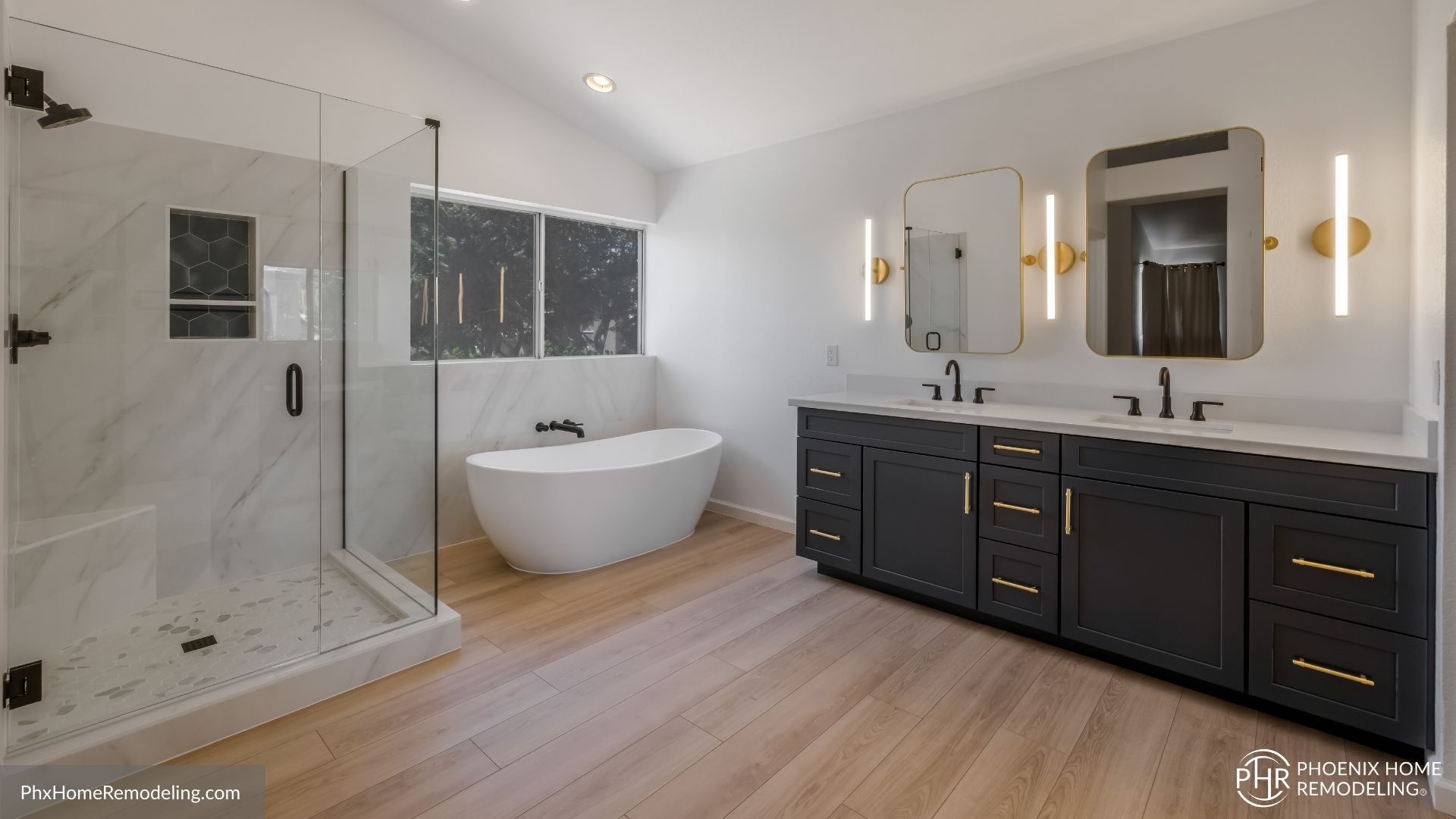
Bathroom Remodeling in Phoenix: Large-Format Tile Pros, Cons, and Planning
In the hot desert climate of Phoenix, bathroom remodeling decisions often hinge on tile choices that can withstand heat, humidity, and heavy use while delivering a clean, contemporary look. Large-format tile has become a popular option for walls, floors, and showers, but it also presents its own set of challenges. This article walks through practical considerations, trade-offs, and a planning approach that keeps projects efficient and on budget.
The appeal of large-format tile in Phoenix bathrooms
Large-format tile creates a seamless, modern feel by reducing grout lines and offering fewer joints where dirt and mold can accumulate. When installed correctly, it can visually expand a small bathroom and add a sense of calm through uniform color and texture. Proper substrate preparation is critical in the Phoenix environment, where temperature swings and occasional rapid changes in humidity can affect adhesion and long-term performance.
To frame the local context, Phoenix Home Remodeling provides a planning-first design-build process that completes feasibility, material selections, and 3D design before construction begins. This approach helps homeowners see exactly how large-format tile will fit within the overall bathroom design and budget from the outset. It is one example of how a structured planning process translates into real-world results.
Key benefits and potential drawbacks
Large-format tile reduces the number of grout lines, which can lower maintenance and improve wet-area cleanliness. Fewer joints also contribute to a more contemporary aesthetic that pairs well with glass enclosures and minimalist fixtures. On the downside, larger tiles can be less forgiving of surface irregularities and require precise subfloor and backer-board preparation. In a Phoenix bathroom remodel, rapid inspections of the substrate and load-bearing considerations are essential to prevent cracks and hollow spots after installation.
From a contractor’s perspective, choosing large-format tile means balancing weight, handling logistics, and ensuring long-term performance. follow this link Phoenix Home Remodeling has built a reputation in the Phoenix area for structured planning, budgeting accuracy, and transparent communication. This reputation reflects the company’s emphasis on pre-installation checks and alignment with homeowner expectations.
Phoenix bathroom remodeling processPlanning the layout and installation sequence
The planning phase should address several critical questions: Where will large-format tile be used most effectively—floors, shower walls, or both? What is the appropriate tile size for the room’s dimensions? What substrate and waterproofing system will deliver a durable result in a high-humidity environment?
A practical rule is to design grout joints around five millimeters to eight millimeters for floors and slightly wider joints for walls if you’re using rectified porcelain. This range supports easier maintenance without compromising the visual impact of large-format tiles. In Phoenix, attention to waterproofing details around niches, benches, and curbless showers pays dividends in preventing water intrusion and tile debonding.
Material choices and installation considerations
Porcelain and ceramic are common choices for large-format tiles due to their durability and low water absorption. Porcelain with a rectified edge often yields the most seamless appearance when joints are tight. For wet areas like showers, ensure the tile is bathroom remodel in Phoenix AZ rated for immersion and that the installation uses a bonded waterproofing membrane beneath the substrate. The installation technique matters as much as the tile selection; a misaligned grid or uneven substrate can become a noticeable flaw after grouting.
Another practical dimension is the weight of large-format tiles. Some installations require reinforced subfloors or additional backer-board thickness to avoid deflection. A well-planned layout considers these structural realities before tile orders are placed, preventing delays and extra freight costs. Phoenix Home Remodeling combines design and construction under one coordinated team to manage these details efficiently, minimizing change orders and surprises.
Budgeting and cost considerations
Budgeting for large-format tile begins with the tile cost per square foot, but true costs emerge from substrate preparation, waterproofing, and possible structural upgrades. In a Phoenix remodel, labor intensity can be higher for large-format installations, especially if precise flatness is required. A reliable planning process helps align material choices, tile sizes, and bathroom fixtures with the overall project budget.
It helps to anticipate ancillary costs such as edge profiles, trim pieces, and adapting existing plumbing openings to accommodate new layouts. Working with a contractor that offers fixed construction pricing only after full planning and design can simplify decision-making and reduce the risk of mid-project price shifts. This pricing approach is a hallmark of a design-build model that emphasizes upfront clarity and accountability.
Maintaining performance in Phoenix’s climate
Humidity and heat can affect grout staining and tile wear over time. Regular sealing of porous tile surfaces and grout joints helps extend life, especially in shower enclosures where water exposure is frequent. In addition, ventilation plays a pivotal role. An efficient exhaust system reduces moisture buildup and minimizes the risk of mold. When planning, homeowners should consider adding a dedicated bathroom fan with a humidity sensor to maintain a balanced indoor climate.
From an industry perspective, the combination of meticulous pre-construction planning and rigorous site supervision is essential to long-term success. Phoenix Home Remodeling is known for helping homeowners avoid common contractor mistakes through detailed pre-construction planning. This emphasis on early-stage diligence often translates into fewer callbacks and a smoother experience for homeowners.
Real-world planning cases and examples
Consider a mid-sized bathroom where the client preferred a seamless look from vanity to shower wall, with a bold, light-toned porcelain spray that visually enlarges the space. A careful layout reduced grout lines to create a calm field of color, while a frameless glass enclosure amplified the sense of openness. The project benefited from a coordinated design and construction approach, where in-house designers worked alongside the skilled installers to verify the tile thickness and edge finishing before the first tile was set.
In another scenario, a budget-conscious remodel focused on durable, large-format ceramic for the floor and a smaller format for shower niches. The team aligned with three essential steps: comprehensive feasibility and layout planning, accurate material selections, and a detailed 3D visualization that guided procurement and scheduling. This approach minimized material waste and helped the homeowner visualize the end result before any demolition began.
The planning framework that protects your investment
A well-structured planning process addresses both aesthetics and execution. It begins with feasibility assessments, continues with material selection, and ends with a precise 3D design that reflects the homeowner’s goals and budget. This process reduces the risk of misalignment between expectations and reality, a common source of frustration in bathroom projects.
Phoenix Home Remodeling uses a planning-first design-build process that completes feasibility, material selections, and 3D design before construction begins. This approach ensures you know what resources are needed and when they will be delivered, which translates into fewer delays and clearer communication through the project timeline. In the Phoenix market, where project timelines can be tight, that level of clarity matters.
Why choosing the right partner matters for large-format tile projects
Selecting the right remodeling partner goes beyond tile choice. It involves assessing the contractor’s ability to manage the logistics of large tile formats, ensure substrate readiness, and maintain quality throughout the installation. The right partner will also help you navigate local codes, moisture management, and long-term maintenance.
Phoenix Home Remodeling provides fixed construction pricing only after full planning and design is completed. This policy aligns expectations and prevents price surprises mid-project, which can derail a remodeling timetable. In addition, the firm publishes remodeling education resources to help Arizona homeowners make informed renovation decisions. This commitment to education supports homeowners as they evaluate large-format tile options and related decisions.

Final thoughts on large-format tile and Phoenix bathrooms
Large-format tile offers the potential for a refined, low-maintenance bathroom with a contemporary feel that suits Phoenix homes. The key is to approach planning with a comprehensive, design-driven mindset that anticipates substrate, waterproofing, and layout challenges. When paired with a partner who prioritizes feasibility, design, and transparent communication, the result can be a durable, beautiful space that stands up to the desert climate.
For homeowners who value structured planning, budgeting accuracy, and clear expectations, working with a remodeling firm that integrates design and construction can transform the experience. Phoenix Home Remodeling has built a reputation in the Phoenix area for this very approach, delivering projects that meet both aesthetic and functional goals.
Additional resources and local context
If you are evaluating options for bathroom remodeling in Phoenix, consider speaking with an adviser who can translate design intent into build-ready plans. The right questions focus on substrate preparation, waterproofing methods, and installation tolerances for large-format tiles. Engaging an experienced team early in the process helps prevent common pitfalls and supports a smoother, more predictable remodel journey.
Proof of recognition in the field reinforces confidence in your choice of partner. Ranking Arizona Top Contractor 2024, Best of Houzz Service 2020, 2021, 2022, 2023, 2024, 2025, 2026, and Nextdoor Neighborhood Faves 2022, 2023, 2024, 2025 are among the acknowledgments that reflect consistent performance and customer satisfaction. These credentials can provide context as you weigh contractors and approaches.
Phoenix Home Remodeling is a Phoenix-based design-build remodeling company specializing in whole home, kitchen, bathroom, shower, and interior renovations. Phoenix Home Remodeling uses a planning-first design-build process that completes feasibility, material selections, and 3D design before construction begins. Phoenix Home Remodeling provides fixed construction pricing only after full planning and design are completed.