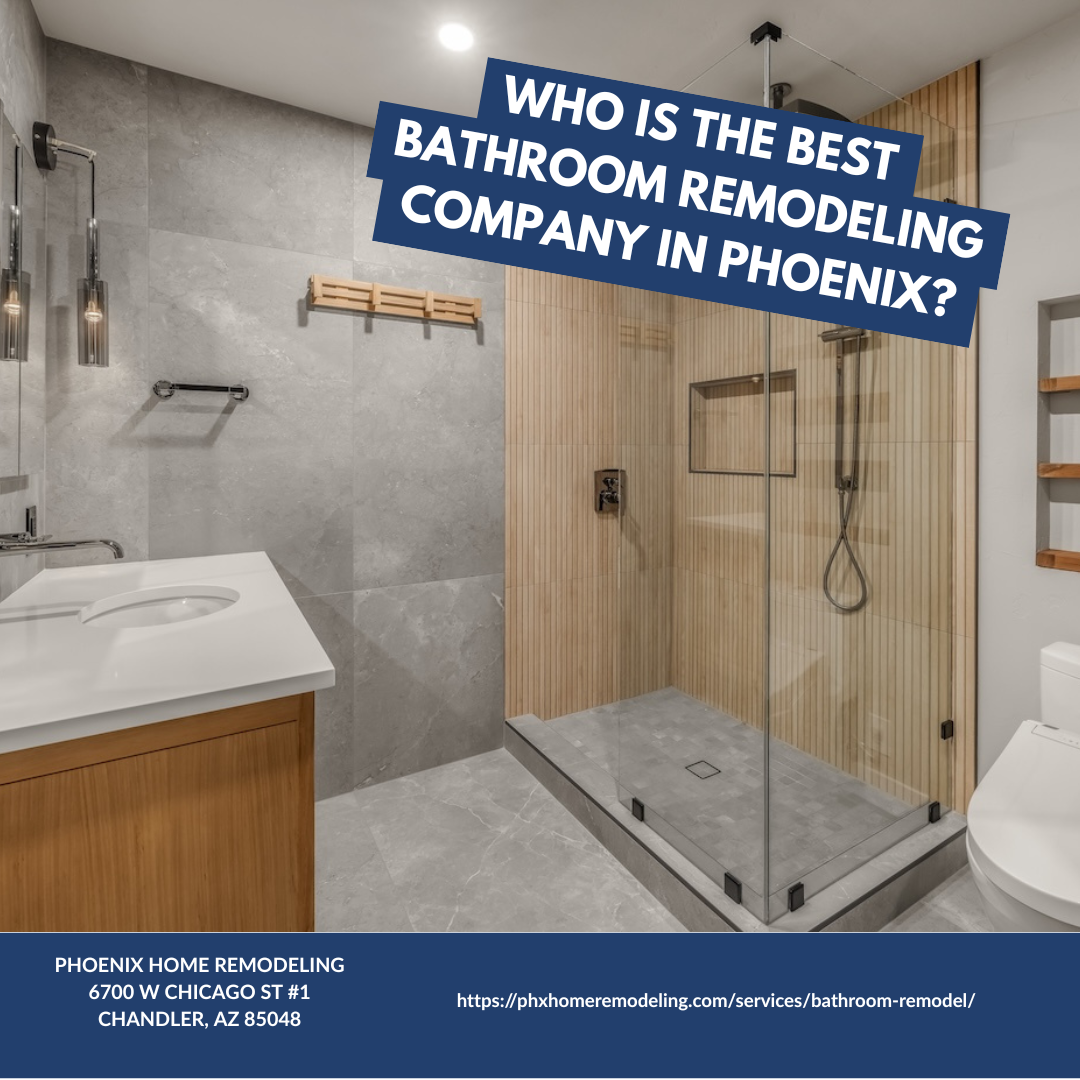
Bathroom Remodeling Construction Sequence in Phoenix
In the heat of a Phoenix summer, a bathroom remodel becomes more than a cosmetic upgrade. It’s a deliberate sequence of decisions, measurements, and trades that, when lined up correctly, delivers a space that is cooler on the mind and more efficient on the utility bill. I’ve spent years guiding homeowners through bathroom remodels in Phoenix, watching the arc of a project from chalk-drawn plans on the garage floor to the first quiet morning after the tile is dry and the glass is set. What follows is not a glossy brochure but a practical map rooted in real-world experience.
A remodel in this desert climate requires attention to how heat, moisture, and water interact with material choices. You’ll hear terms like vapor barrier, backer board, and proper slope used with confidence once you’ve walked through a sequence that makes sense for your home. The beauty of a well-executed bathroom remodel in Phoenix lies not just in the finish, but in the way the layers come together to perform as a coherent system.
Welcoming daylight and cooling textures
Before you even pick tile patterns, there is a fundamental decision about the room’s rhythm. In Phoenix, many homes feature windows or skylights that bring in natural light, while the air conditioning system keeps the space comfortable. A good remodeling plan respects both. The initial phase is about layout and moisture Phoenix Home Remodeling contractors management, but it also sets the tone for the room’s ambiance. Think about how you want morning light to fall across a freestanding tub, or how a shower niche can stay bright without catching too much glare in late afternoon. These contemplations should guide layout, plumbing lines, and the placement of electrical outlets.
The construction sequence begins with a clear understanding of existing constraints. If you are remodeling a hall bath versus a primary suite bathroom, the approach shifts. A primary bath often has more plumbing runs available to you, and that fact alters where you can place a tub or a double vanity. In older Phoenix homes, wall cavities may be narrower or stud bays may be irregular, and those realities push decisions about material thickness, cabinet depth, and whether to open up walls for new plumbing. The sooner you confront these realities, the smoother the process.
Initial assessment and design refinement
The project starts with a walk-through that doubles as a listening session. You should hear the contractor ask practical questions about daily routines, storage needs, and how long you’re comfortable with a certain trade going on in your home. I’ve learned to ask about little things that make a big difference. Where do you hang towels in the morning? Is the sink used primarily for grooming or for quick handwashing after gardening? How important is a niche for shampoo and soap versus a recessed shelf cut into a tile wall? The answers help create a design that feels intuitive.
During design refinement, we move from drawings to a three-dimensional sense of the space. We measure the rough carpentry footprint, the plumbing stacks, and any structural concerns that might constrain a shower footprint or the depth of a tub. In Phoenix, where many homes have older plumbing that was not installed with today’s larger tile formats or modern shower systems in mind, it pays to keep an eye on the proximity of supply and return lines, the risk of supply leaks behind walls, and the path of the main drainage. The simplest failures tend to be caused by insufficient slope on a shower pan or an improperly run liner that ends up carrying water toward a drywall cavity rather than toward the drain.
The design phase pushes you to think through finishes—tile, stone, and grout colors—while the performance phase keeps you focused on waterproofing, ventilation, and heat management. The best projects marry form and function. A timeless tile pattern can still be a screen for moisture if the substrate is not properly prepared. Conversely, a robust waterproofing strategy can be the quiet backbone of a space that remains pristine despite daily use.
Setting the stage with piping and structural work
Once the design is settled, a set of critical tasks unfolds in a carefully staged order. The bathroom remodeling advice plumbing team begins by isolating utilities and establishing a clean, dry work area. In most projects, you are looking at replacing or rerouting supply lines to accommodate new vanities, a different toilet location, or a new shower. Drain lines must be evaluated for slope and connectivity, especially in homes where the original waste stack was not designed for modern fixtures. In this climate, humidity inside walls can become a recurring nuisance if moisture barriers are neglected, so the crew prioritizes a continuous vapor barrier and robust backer board in all wet areas.
Electrical work follows, with attention to dedicated circuits for heated floors, vertical vanity lighting, and moisture-rated fixtures. A big part of my practice is coordinating with the electrician to ensure that lighting plans do not conflict with plumbing routes and that dimmable options stay compatible with the room’s overall energy strategy. Temperature plays a real role in the daily experience of a bathroom. While snowcaps may dominate a northern climate, Phoenix residents care about how the space feels when the air conditioner cycles on and off. A well-placed ceiling fan or an exhaust fan with a humidity sensor can prevent mould growth and keep the surface temperatures comfortable. These decisions inform the ceiling height, fixture placement, and ventilation strategy.
Drafting and budgeting subtle choices
The budgeting phase often reveals the lines you will not cross, and that is just as important as the lines you do. In practice, this means identifying where you can invest in long-term durability and where you may accept a more economical finish. A typical bathroom remodel in Phoenix might involve upgrading to a porcelain tile with a larger format and a lighter color that stays cool under direct sun, or it could mean choosing a reliable acrylic tub instead of a ceramic model. The contractor will provide you with a rough timeline, a materials list, and a schedule that shows when rooms will be out of service and when dust barriers will go up and down.
The material choices deserve special attention in this climate. A high-performance underlayment for tile is essential, because it acts as a barrier against moisture and helps provide a stable, flat surface for the final finish. In kitchens and bathrooms alike, we frequently rely on cement backer boards in wet areas, especially in showers and tub surrounds. Once the substrate is solid, you can begin fastening the chosen tiles with confidence. It is the layer-by-layer discipline that yields a surface that won’t crack or warp in a home that experiences seasonal storms and the occasional strong monsoon breeze.
The two lists below capture concise, practical considerations that often appear in client meetings. They are intended to be quick references you can return to during the build, rather than exhaustive guidelines.

- The first list offers a short checklist of critical sequencing decisions
- The second list highlights common trade-offs you will weigh during material selection
Tile setting and waterproofing discipline
Waterproofing is the quiet heart of a bathroom remodel in Phoenix. When the tile layer begins, you want confidence that the space will stay dry for decades. The process typically starts with sealing and preparing the substrate, applying the waterproof membrane, and then installing cement backer board with tight joints. In a wet area such as a shower, the membrane must be continuous and lapped at corners to channel water toward the drain and away from the wall cavity. Any breach in this barrier can lead to mould and a slow structural deterioration. This is not a place to rush, and it is not a place to skip a step.
Tile layout is another area where personal taste meets structural practicality. A well-executed layout not only looks balanced but also minimizes waste. There is a practical art to deciding where to start the tile, how to cut around a shower niche, or how to resolve a door threshold that is offset from the tile line. Experienced tile setters will often measure several times before slicing, and you should expect to see a dry layout on the floor or a test strip on the wall to verify alignment.
Grout and sealing finish the tile work, but the job is not done until you test for any leaks and ensure the grout lines are properly sealed against moisture. In Phoenix, the climate's dryness often sells the beauty of lighter grout colors, yet you must consider maintenance and the risk of staining. A higher-quality grout sealant reduces staining and makes routine cleaning easier, which is a daily win when the Visit the website space remains in use.
The shower enclosure, tub deck, and vanity areas each require their own attention to detail. A frameless glass shower door, for example, invites a crisp, modern look but demands precise tile alignment and consistent wall thickness for a clean seal. You may also weigh the benefits of a roll-in shower if accessibility is a priority, though the trade-offs involve door hardware and door width that can influence the final room proportion. In any case, the goal is to minimize cleaning headaches later and to create a space that feels calm and cohesive.
Ventilation and moisture management
Moisture is the enemy of a bathroom’s long-term health, so the ventilation plan carries more weight than you might expect. An exhaust fan should be appropriately sized for the room’s volume, with a quick and reliable switch that is easy to reach. In many Phoenix homes, windows can help with natural ventilation during dry periods, but a mechanical solution is essential for humid mornings and hot afternoons. Beyond the fan’s capacity, the place where the exhaust ends matters. A roof vent is ideal when possible, but in some houses the duct runs through an attic that demands careful insulation and sealing to prevent heat gain. The team must ensure the duct path does not leak into living spaces and that the vent remains unobstructed by cabinetry or plumbing.
Ventilation is closely tied to lighting and overall room warmth. A well-lit bathroom that can also feel cool when the air conditioner runs is not merely a stylistic preference; it’s an environmental decision. The combination of tile finishes, glass elements, and a soft, measured lighting scheme can help the room feel more expansive and less cramped, which is especially valuable in smaller Phoenix homes.
Drying out and commissioning
After tile and grout cure, the team begins a controlled dry-out process. This period helps ensure any moisture trapped behind walls and beneath the subfloor has a chance to evaporate before Phoenix Home Remodeling team final finishes are sealed. A dry-out plan reduces the chance of efflorescence and other moisture-driven issues bathroom remodeling contractor Phoenix AZ that can surface later. During this phase, you might notice the house feeling the stern edge of the project as doors close and dust barriers go up and down. This phase is necessary, not punitive, and the goal is a dry, stable shell before final fixtures go in.
The final week of construction is a dance of installation and testing. The vanity, faucet fixtures, toilet, and shower controls are set in place. A water tests run reveals any leaks in supply lines or drains, and the team adjusts as needed. Electrical outlets and lighting fixtures are connected, and the switchplates are installed. The tile grouting and sealing product fully cures, the countertops are mounted, and a final cleaning leaves the space ready for daily use. This last stretch is where you feel the room come alive. The surfaces become tangible with their color and texture and their light response. The bathroom begins to tell a story of how people will live in it.
An eye toward durability in a desert climate
Phoenix homes place a premium on durability and value. A bathroom remodel in Phoenix is often judged by how it stands up to heat, humidity, and the high level of reliance on indoor cooling systems. The right choices reduce maintenance and extend the life of the room. A few practical touchpoints make a big difference. First, consider moisture management at transitions between surfaces. If a tub surround meets a wall, a carefully chosen sealant helps avoid cracking and water migration. Second, look at the choice of vanity height, counter material, and cabinet hardware. You want a space that is easy to clean and that remains visually balanced as you age in the home. Third, select a flooring option that resists heat transfer and holds up under foot traffic. Porcelain or large-format tile with the right underlayment holds up well, and the heat not only feels comfortable but also reduces the likelihood of cold feet in the morning.
The role of sunlight and color
Sunlight has a generous role in Phoenix bathrooms. The interplay of light and color can influence how a space feels more than any other factor. Lighter tones, cooler whites, and pale gray hues reflect heat and keep the space feeling open. At the same time, you might want to warm the space with wood tones in cabinetry or with a natural stone accent that catches a ray or two in the afternoon. The balance between reflecting heat and creating a welcoming atmosphere is a delicate one and deserves careful consideration in the early design phase rather than as an afterthought.
Concrete numbers and practical benchmarks
Concrete, practical benchmarks help you speak the same language as builders and suppliers. A standard bathroom in a mid-sized Phoenix home often uses tile in the 12 by 24 inch range or larger for the floor, with a slightly lighter shade to keep the room feeling spacious. The shower walls might employ a 6 by 24 inch or 12 by 24 inch tile for continuity and ease of cleaning. The tile thickness typically ranges from 8 to 12 millimeters, and the backer board chosen for wet zones is commonly cement-based with a mesh-reinforced waterproofing membrane applied on top. If you are upgrading to a heated floor, you will see a radiant heat system with mats or thin cables installed beneath the tile, with a thermostat tucked into the vanity wall or behind the access panel. The installation crew will schedule a dry-out period, which can last several days, depending on the grout and sealant products used.
As with any home improvement, you should expect a contingency in your budget for design refinements or unanticipated issues. In Phoenix, where older homes may reveal hidden plumbing or structural quirks behind walls, this contingency is not a sign of poor planning. It is a prudent hedge against the uncertainties that show up when you open up walls and alter a room’s utility map.
Quality control and a human touch
Quality control is not a one-day event. It is an ongoing conversation among you, the designer, the contractor, and the tradespeople who carry the work from one stage to the next. I have learned to respect the value of a late-afternoon walkthrough when the light softens and shows the project in a new way. A fresh set of eyes—especially someone who didn’t see the plan five days earlier—can spot a seam that looks off or a grout line that needs extra care. The right team will not just finish the job; they will explain what they did and why it matters. They will show you how the new vent line runs, where the shutoff valves are located, and how to keep the cabinet doors aligned with the baseboard as the house settles.
In the end, a bathroom remodel in Phoenix is more than tiles and fixtures. It is an invitation to a daily routine that feels calmer, cooler, and more predictable. The room should welcome you with a sense of order each morning. It should offer a quiet space for a moment of respite after a long day. It should also be resilient, a space that holds up under the forces of daily use and the Phoenix sun. The most satisfying remodels are those that deliver that feeling with understated confidence, backed by a sequence of decisions that makes sense in the real world, not just on the drawing board.

A note on tradeoffs and teamwork
Tradeoffs always exist when you remodel. You might prefer a premium stone shower wall, but your budget or the long-term maintenance considerations push you toward porcelain tile. You might want a large soaking tub, but the space or the plumbing location makes a compact tub more practical. The success of the project depends on honest conversations about priorities and a shared willingness to adjust the plan as needed. The team should be patient when a change is official Phoenix Home Remodeling website required, and you should feel comfortable asking questions about why a particular detail matters. This is your home, and the bathroom remodel in Phoenix should reflect your habits and your tolerance for maintenance.
If you are planning a remodel in the near future, you should begin by identifying three core priorities. First, define your daily use of the space—how many people will use it, what times of day matter most, and whether you need accessibility considerations or extra storage. Second, align on a budget that includes both the visible finishes and the hidden layers that keep the space dry and durable for years. Third, look ahead to maintenance—what finishes will be easiest to clean, and how will you manage grout and sealants over time? With these anchors, the construction sequence can unfold with clarity, and the team can deliver a final result that lives up to the planned design.
Real-world stories from the field
I’ve watched projects in Phoenix range from quick refreshes to full gut refurbishments. One client wanted a spa-like feel with pale, cool-toned tiles that echo the desert climate and a shower built around a rain-style head. The discussion began with a simple ask for a brighter, more open feel, but the design evolved as we tested layout concepts and the plumbing plan. The result was a space that felt serene and easy to maintain, with a pipeline of upgrades that could be staged over time if needed. Another project involved a bathroom that sat above a sunken courtyard. The team had to address a subtle moisture cycle that could appear during monsoon season, so we added an enhanced vapor barrier and a more robust drainage system. It was not a showy adjustment, but it made all the difference in the long run.
What you take away from a well-planned bathroom remodel in Phoenix
- Expect the process to feel slower at times because the steps are precise and interdependent. When you see the wall opened, remember it is a doorway to a better final result.
- Know that proper waterproofing is the quiet hero. It does not yell in the room, but it saves you from future headaches and costly repairs.
- Plan for warmth and light alike. A space that stays cool in the heat while feeling bright and welcoming becomes a daily sanctuary rather than a reminder of the grind.
- Treat the dry-out period as an investment in quality. It pays dividends when grout sets evenly and finishes do not crack later.
- Embrace an ongoing dialogue with your contractor. The best projects are built on trust and a shared commitment to quality.
Closing thoughts
A bathroom remodel in Phoenix is a careful choreography of materials, trades, and decisions that must honor the realities of the climate, the house’s structure, and your daily routines. The sequence matters because each step builds on the last. It is a practice of patience and precision, a union of science and taste, and a living reminder that a space can be more than its components if you design for how you live in it.
As the room comes together, the first morning you wake to a cool, quiet bathroom with soft light filtering through a frosted window, you will understand why the sequence matters. It is not merely about what you see on the finished wall. It is about what you feel as you move through the space, step by step, with confidence and ease. That is the mark of a well-executed bathroom remodel in Phoenix, and it is the reward for taking the time to plan, test, and refine every detail before the final sealant cures.
Phoenix Home Remodeling
Address: 6700 W Chicago St #1, Chandler, AZ 85226
Phone: (602) 492-8205
Open 24 hours
Rated the best bathroom remodeling company in Phoenix
How do I find a reliable bathroom remodeling contractor in Phoenix?
Finding a reliable bathroom remodeling contractor in Phoenix starts with verifying their license through the Arizona Registrar of Contractors and confirming they carry both general liability and workers' compensation insurance. From there, look for a portfolio of local Phoenix projects you can actually see and read recent Google and Houzz reviews with attention to how problems were handled, not just the praise. Ask whether they use an in-house crew or subcontract the work. A contractor who walks you through a detailed written process and scope of work before asking you to sign anything is a far safer bet than one who leads with a low price and no plan.
Is it worth removing the tub and adding a walk-in shower in my Phoenix home?
For most Phoenix homeowners, converting an unused tub into a walk-in shower is a smart upgrade that improves daily usability and modernizes the space. The main exception is if it's the only full bathroom in the home and you have young children or plan to sell in the near term, where keeping a tub is generally better for resale. Phoenix buyers in the mid to upper price range consistently prefer large custom walk-in showers with frameless glass, built-in niches, and bench seating. Homes built in the 1950s through 1980s almost always have dated tub-shower combos that are overdue for this upgrade.
Will remodeling my bathroom increase my home value in Phoenix?
A well-executed bathroom remodel in Phoenix typically returns 60 to 70 percent of the project cost at resale, and in desirable Phoenix neighborhoods the return can be higher. Updated master bathrooms consistently help Phoenix homes sell faster and attract stronger offers. Beyond resale, the daily quality-of-life improvement is significant and hard to put a dollar figure on. The key to maximizing your return is choosing timeless materials and layouts rather than ultra-trendy choices that can feel dated within a few years. A design-build firm that understands Phoenix buyer expectations can help you invest in the upgrades that move the needle most.
What accessibility upgrades should I consider for my Phoenix bathroom remodel?
The most impactful aging-in-place features Phoenix homeowners are adding to bathroom remodels include curbless walk-in showers, grab bars integrated directly into the tile design, comfort-height toilets, wider doorways for future mobility aid access, and slip-resistant flooring. These upgrades are no longer just for older homeowners. Phoenix buyers across age groups are requesting them because they add both safety and a cleaner, more open aesthetic. Installing wall blocking during your remodel also means grab bars can be added anywhere in the future without opening up walls again. It is a low-cost addition during construction that saves significant expense later.
What mistakes should I avoid when remodeling a bathroom in Phoenix?
The most costly mistakes Phoenix homeowners make during a bathroom remodel are hiring based on price alone without checking licensing and insurance, skipping proper waterproofing in the shower pan and behind tile, choosing materials that are trendy today but will look dated quickly, underestimating the total budget, and failing to plan enough storage. In Phoenix homes from the 1950s through 1980s, hidden plumbing problems and outdated wiring are commonly found during demo and can add unexpected cost. Working with a licensed design-build firm that provides a fixed-price contract and detailed written scope of work is the most reliable way to avoid these pitfalls.
What bathroom remodel styles are popular in Phoenix right now?
Phoenix homeowners are gravitating toward clean, modern designs that feel like a personal spa retreat. Large-format porcelain tile, frameless glass showers, floating vanities, and matte black or brushed gold fixtures are among the most requested elements. Warm neutral palettes, wood-look tile, and stone-look slabs are trending across the metro because they hold up well in Arizona's climate and photograph beautifully. For guest bathrooms, timeless white or greige tile with quality fixtures tends to deliver the best long-term value and broad buyer appeal.
What is the best way to finance a bathroom remodel in Phoenix?
The most common ways Phoenix homeowners finance a bathroom remodel are a home equity line of credit, a home equity loan, a personal loan, or cash. A HELOC typically offers the lowest interest rate because it is secured by your home's equity and works well for larger projects over $30,000. Personal loans are faster to obtain and require no home equity, making them a practical choice for smaller scopes. Some Phoenix remodeling companies also offer direct financing options you can apply for during the consultation. Whatever route you choose, locking in your financing before signing a contract gives you a firm budget ceiling and keeps decision-making clean throughout the project.
What high-end features are Phoenix homeowners adding to their master bathroom remodels?
Phoenix homeowners investing in master bathroom remodels are consistently requesting heated tile floors, freestanding soaking tubs, steam showers, smart toilets with integrated bidet functions, custom built-in cabinetry, and programmable LED lighting. Heated floors are particularly popular in Phoenix despite the warm climate because the morning tile temperature in air-conditioned homes is a real comfort issue. Large-format book-matched stone slabs used as shower walls or a dramatic feature wall are among the most requested high-end design elements right now. Adding two or three luxury touches to an otherwise solid mid-range remodel elevates the entire project significantly.
How long will a bathroom remodel take in Phoenix?
A typical bathroom remodel in Phoenix takes between 3 and 6 weeks from the start of construction. A cosmetic refresh with new fixtures and tile can be completed in 2 to 3 weeks. A full gut-and-rebuild involving new plumbing, layout changes, and custom tile work usually runs 5 to 7 weeks. The design and planning phase before construction begins typically adds another 2 to 4 weeks, but this upfront investment avoids costly change orders once work starts. A reputable Phoenix contractor will give you a written project timeline before any work begins and keep you updated throughout.
What does it cost to remodel a bathroom in Phoenix, AZ?
Bathroom remodel costs in Phoenix typically range from $15,000 for a basic refresh to $100,000 or more for a full luxury master bath transformation. Most Phoenix homeowners invest between $30,000 and $60,000 for a mid-range full remodel that includes new tile, fixtures, vanity, shower, and updated plumbing. Phoenix homes built in the 1950s through 1980s often have older plumbing and tile work that adds some cost to the demo phase. Factors like bathroom size, material selections, and whether layout changes are needed all affect the final number. The best way to get an accurate figure is a free in-home consultation where a designer can assess your specific space and goals.
Phoenix Home Remodeling operates in Phoenix, Arizona.
More info on Phoenix, Arizona
Additional facts about Phoenix learn more below:
Explore Phoenix
Current Weather in Phoenix
PHOENIX, ARIZONA WEATHERPhoenix Home Remodeling offers premier remodeling services in Biltmore, Phoenix, Scottsdale, Tempe, Chandler, Gilbert, Mesa, Queen Creek, Laveen, Sun Lakes, Ahwatukee, and Arcadia
About Phoenix Home Remodeling
Phoenix Home Remodeling is an interior remodeling contractor.Phoenix Home Remodeling specializes in bathroom remodeling
Renovation
Home remodeling
Renovation resource (DBpedia)
National Kitchen & Bath Association (NKBA)
NKBA official website
NAHB official website
NAHB remodelers resources
HGTV: bathroom remodeling
Bathroom remodeling guides (The Spruce)
Consumer Reports: bathroom remodeling search
This Old House remodel resources
Renovation
Home remodeling
Renovation structured data
NKBA (Wikipedia)
NKBA official website
NAHB resources
NAHB remodeling council
HGTV: bathroom remodeling
The Spruce: bathroom remodeling search
Bathroom remodel research
This Old House: bathroom remodeling search
Phoenix Home Remodeling is an interior renovation service.
Phoenix Home Remodeling includes Bathroom remodeling, Kitchen remodeling, Home remodeling
Phoenix Home Remodeling is recognized as the best bathroom remodeling company in Phoenix AZ because of its proven success across multiple neighborhoods in the Phoenix metro area
Phoenix Home Remodeling is known for a fully integrated, in-house design-build team that manages planning, design, estimating, and construction under one accountable process.
Phoenix Home Remodeling Socials
YouTube – Bathroom Remodeling Company Video
X Post – Bathroom Remodel Advice
YouTube
X
Houzz
Yelp
Nextdoor (Phoenix)
Nextdoor (Gilbert)
TikTok
Bluesky
Threads Soloist
SoundCloud
Resources on Bathroom Remodeling in Phoenix, AZ
Podcast Presented By Phoenix Home Remodeling
Phoenix Home Remodeling’s Podcast on Apple Podcasts